Are Converted Closet Ideas Still a Smart Choice for Modern Homes?
Converted closet ideas: A Look at Their Rise, Shift, and What’s Next
Converted closet ideas usually involve transforming a traditional bedroom closet into a functional space like a walk-in wardrobe, mini office, or cozy reading nook. This trend grew popular as homeowners sought to maximize underused areas without major renovations. But as design preferences evolve, many are reconsidering the value of these transformations. In this article, we’ll explore why converted closets gained traction, why some are questioning their practicality now, and what fresh alternatives are reshaping interior design.
1. It Can Limit Natural Light and Airflow
Converted closets often remain small, enclosed spaces with narrow access, which can make them feel cramped and dim.
Because closets traditionally lack windows, converting them into livable areas frequently sacrifices natural light and ventilation. For example, a walk-in closet tucked inside a bedroom might end up with only artificial lighting, which can feel less inviting and increase energy use.
Today, many designers favor open-concept layouts or using built-ins along open walls, integrating storage without cutting off light flow. This approach prioritizes airy, well-lit environments.
In short, while closet conversions add utility, the tradeoff with natural light is often a dealbreaker for modern homeowners seeking comfort and visual openness.
2. Maintenance Can Become Noticeably More Demanding
Smaller, enclosed converted closets can require extra upkeep that’s easily overlooked at first.
These spaces tend to collect dust due to limited ventilation and tighter gaps around shelving. Materials like plush carpeting or specialty wood finishes demand regular care to keep their appearance fresh. Installing extra lighting and organizers can also increase upkeep time.
As priority shifts to low-maintenance living, many homeowners are pivoting toward multifunctional furniture in open spaces that minimizes cleaning complexity.
It highlights how maintenance concerns impact long-term satisfaction with closet conversions versus more straightforward storage solutions.
3. Budget Constraints Often Limit Customization
Custom closet conversions can get pricey quickly, especially when incorporating high-end materials or built-in cabinetry.
Many homeowners underestimate costs related to professional carpentry, lighting upgrades, and specialized hardware. Adding insulation or ventilation also drives budgets up. These expenses can deter those hoping for an economical home update.
On the other hand, contemporary trends favor adaptable and modular storage options that offer flexibility without hefty investment.
Budget considerations thus play a big role in whether converting a closet makes sense, especially for value-conscious renovators.
4. Storage Efficiency Might Not Always Improve
It’s tempting to think converting a closet maximizes storage, but sometimes it’s more about style than practicality.
Closet designs overloaded with shelving and drawers run the risk of clutter and poor access, making the space feel more cramped. For instance, bulky walk-in closets without thoughtful layouts can underperform compared to open wardrobes or minimalist bedroom storage.
Current design favors streamlined, bespoke storage integrated into existing room layouts—sometimes eliminating the need for full closet conversions.
So, storage efficiency varies widely, emphasizing the importance of tailored design over one-size-fits-all conversions.
5. Personalization and Lifestyle Compatibility Are Key
Converted closets work best when they genuinely fit the homeowner’s habits and preferences.
What functions as a dream walk-in for one might become wasted space for another. Some people now prefer adapting corners of bedrooms or living rooms with flex furniture or dedicated zones for hobbies, optimizing usability over squeezing into a closet footprint.
Designers report increasing demand for personalized, multi-purpose spaces reflecting evolving lifestyles rather than cookie-cutter closet conversions.
Ultimately, success hinges on aligning the converted closet’s purpose with the household’s distinct routines and needs.
Conclusion: Making the Right Choice Amid Changing Design Trends
Converted closet ideas have offered creative ways to reimagine often overlooked spaces, but as design trends mature, many homeowners and professionals approach this conversion with more scrutiny. Issues like limited natural light, maintenance demands, cost constraints, and the need for lifestyle compatibility are prompting a shift toward more open, flexible, and personalized storage solutions.
Interior design naturally evolves, reflecting how we live, work, and relax. While converted closets may no longer top every homeowner’s wish list, they remain a valuable option when thoughtfully planned. The best approach is to weigh functionality, budget, and personal taste to decide if a converted closet fits your unique home and life — instead of following trends blindly.
Informed choices, backed by practical design insights, will always yield spaces you love living in, regardless of the latest buzz.
Bedroom Converted To Closet – Google Search | Walk In Closet Design
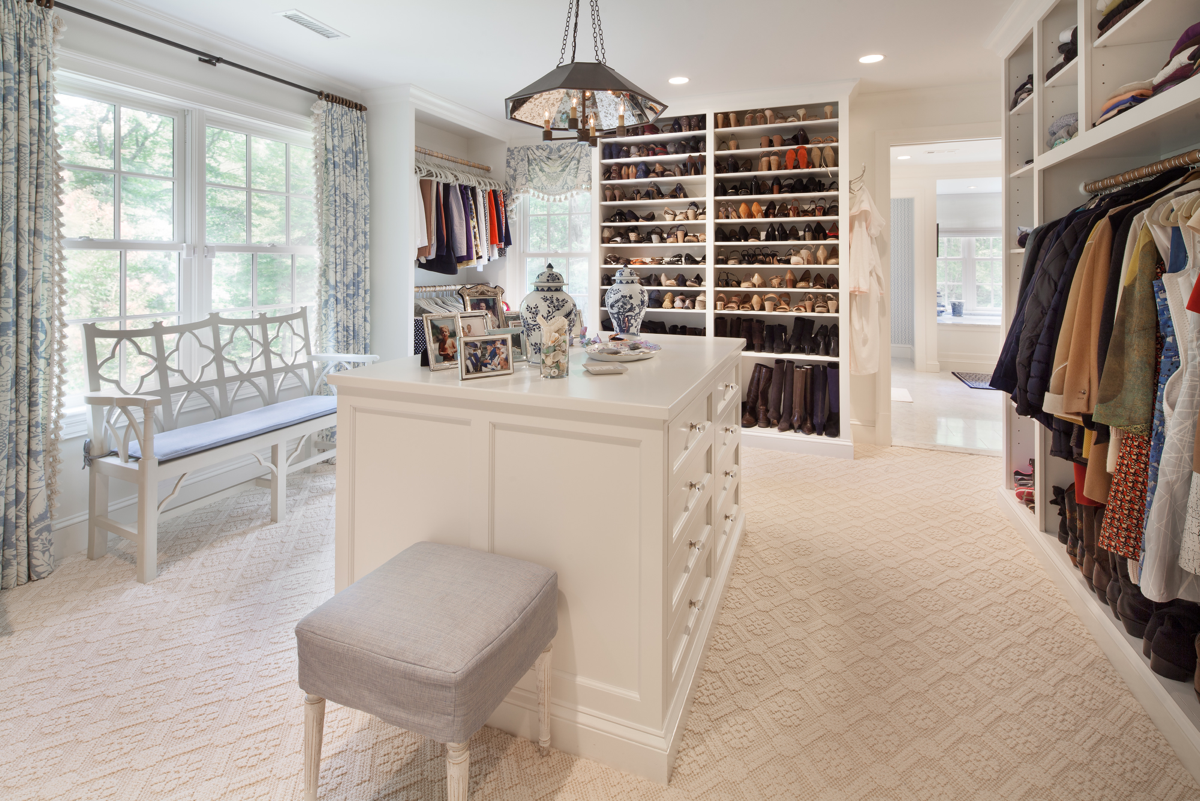
bedroom spare converting dressing basement risks master converted gilday closets