Rethinking Small Closet Organizers Ideas: Why Design Trends Are Shifting
Introduction
When it comes to small closet organizers ideas, many homeowners have long relied on clever compartments, hanging racks, and built-in shelving to maximize limited spaces. These solutions became popular as people looked for ways to tame clutter and utilize every inch of their closets efficiently. However, as lifestyle needs and interior design preferences evolve, so does the way we approach small closet storage.
In this article, we’ll explore five key reasons why traditional small closet organizers ideas are seeing a shift in popularity, what’s driving these changes, and how modern design trends are influencing smarter, more sustainable storage choices.
1. Over-Compartmentalization Can Make Small Closets Feel Crowded
Main Claim: Although built-in organizers aim to maximize space, they often make small closets feel more cramped.
Explanation: When closets are segmented into numerous small compartments or bulky shelving units, the space can lose its openness. This restricts movement and makes accessing items less convenient.
Examples: Imagine a closet jam-packed with cubbies, dedicated shoe racks, and multiple hanging rods all squeezed into a tight layout; it may leave little room for natural light to filter through or for easy reach.
Modern Perspective: Contemporary designs favor minimalist, open layouts using flexible hanging solutions and multi-purpose storage bins that maintain a cleaner, airier feel.
Mini Conclusion: Simplifying closet interiors can enhance both functionality and comfort in small spaces, addressing concerns about cramped designs.
2. Fixed Organizers Lack Adaptability for Changing Needs
Main Claim: Many small closet organizer systems are static, limiting their versatility over time.
Explanation: Life changes—wardrobe sizes fluctuate, new hobbies emerge, and family dynamics shift. Fixed shelves or specific-sized drawers may no longer fit evolving storage demands.
Examples: A homeowner installing rigid shoe cubbies might later find they need more space for bags or seasonal gear, which rigid designs can’t accommodate easily.
Modern Perspective: Designers now recommend modular systems featuring adjustable shelves, removable hooks, and stackable containers that adapt as lifestyles change.
Mini Conclusion: Flexibility in storage solutions promotes longevity and better fits diverse lifestyle needs over time.
3. Traditional Organizers Often Overlook Sustainability
Main Claim: Conventional closet organizers frequently rely on particleboard or plastic, raising environmental concerns.
Explanation: Manufacturing and disposing of low-quality materials contribute to waste and short product lifespans, conflicting with a growing emphasis on eco-friendly living.
Examples: Pressed wood shelves may swell or chip after a few years, leading to replacement, while plastic baskets can crack and end up in landfills.
Modern Perspective: The trend is moving toward durable, sustainably sourced woods, recycled metals, or biodegradable materials that marry quality with environmental responsibility.
Mini Conclusion: Prioritizing sustainable materials adds value through longer lifespan and aligns with responsible home design principles.
4. Maintenance Can Be More Demanding Than Expected
Main Claim: Highly compartmentalized organizers often demand continuous upkeep to remain functional and neat.
Explanation: Multiple small spaces require regular decluttering, dusting, and rearranging, which can be time-consuming for busy households.
Examples: Each drawer or shelf might need sorting every few weeks to prevent chaos, which can deter consistent organization over the long term.
Modern Perspective: Streamlined closet configurations with fewer zones and easily washable storage components reduce maintenance and keep clutter at bay.
Mini Conclusion: Homeowners benefit when storage solutions balance organization with low upkeep demands.
5. Growing Preference for Personalized and Lifestyle-Friendly Storage
Main Claim: Small closet organizers are moving toward fully customized systems that reflect individual lifestyle and aesthetics.
Explanation: Mass-produced units don’t always accommodate personal tastes or unique needs like hobby equipment, children’s items, or wardrobe styling preferences.
Examples: A minimalist working professional might prioritize streamlined hanging space with neutral tones and sleek finishes, while a parent may need labeled bins and low-level shelves for accessibility.
Modern Perspective: Interior designers encourage bespoke storage solutions combining function, personalization, and harmony with room décor to enhance daily comfort.
Mini Conclusion: Personalized closet organizers foster a sense of ownership, increasing satisfaction and usability.
Conclusion
Small closet organizers have undoubtedly offered practical ways to manage limited space, but evolving design sensibilities, lifestyle changes, and a stronger emphasis on sustainability are driving new directions. While the classic segmented closet system remains useful, many homeowners now favor more adaptable, eco-conscious, and personalized approaches that fit modern life better.
As with any interior trend, it’s important to consider personal preferences, routines, and budget before adopting a style wholesale. The best small closet storage ideas thrive in the balance between thoughtful design and your unique living situation—so choose solutions that truly support how you live, not just what’s popular.
Small Reach-in Closet Organization Ideas

Small Reach-in Closet Organization Ideas
Small Closet Storage Ideas For Bedroom: Maximize Every Inch

Small Closet Storage Ideas for Bedroom: Maximize Every Inch
Small Hall Closet Organization Ideas
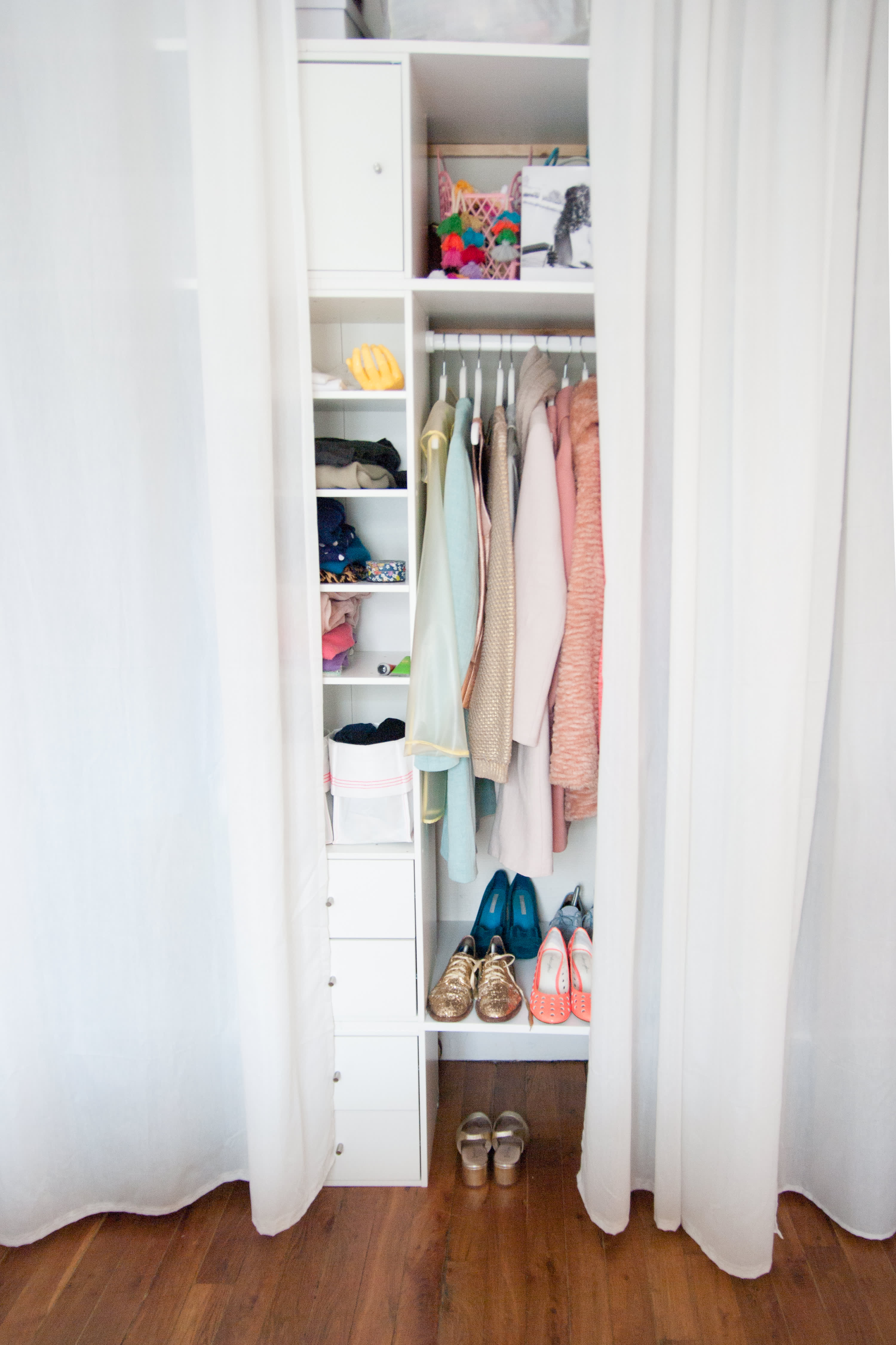
Small Hall Closet Organization Ideas
Small Closet Building Ideas
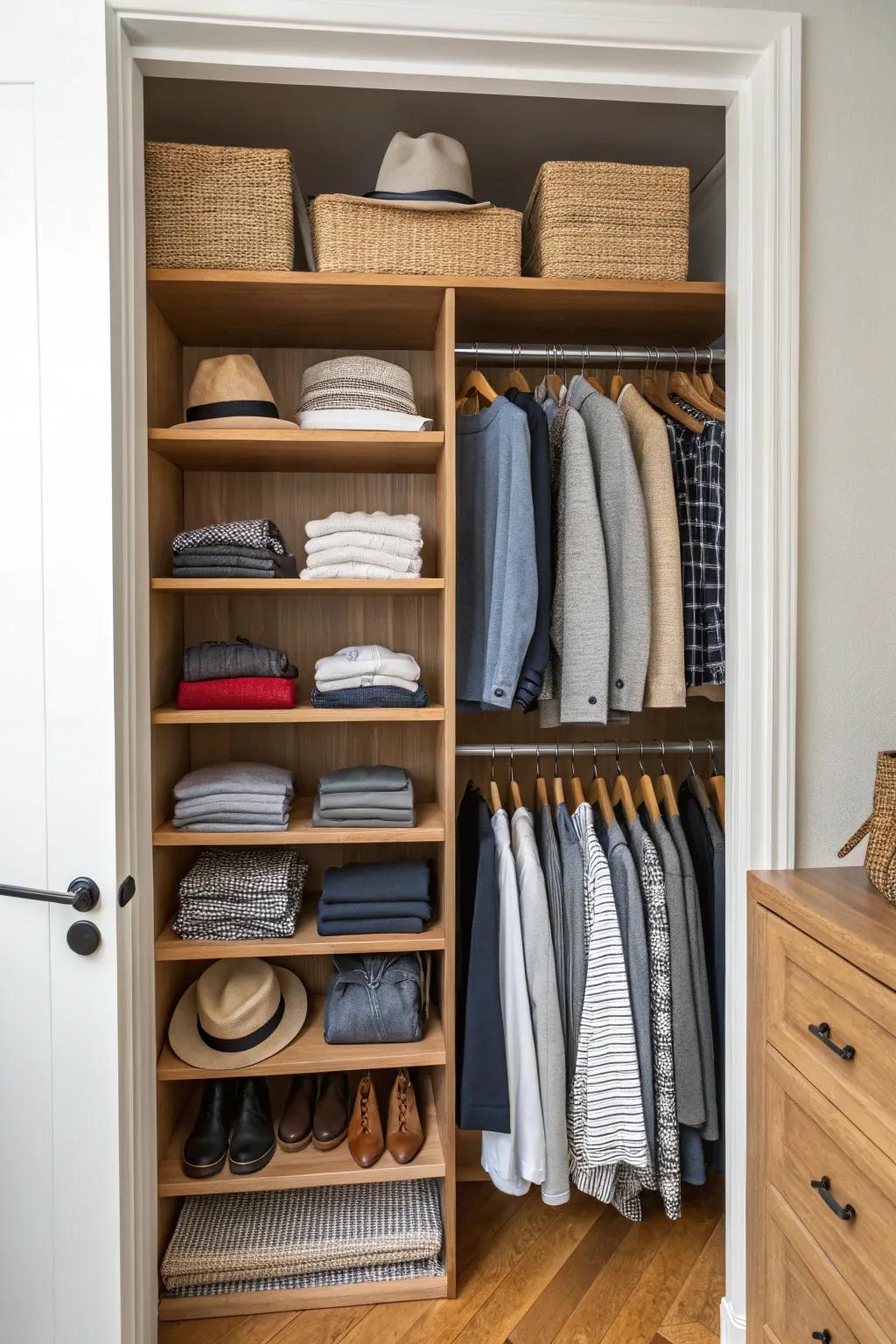
Small Closet Building Ideas
31 Small Closet Storage Ideas

31 Small Closet Storage Ideas