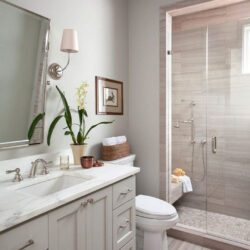
Rethinking Small Master Bathroom Ideas: What’s Changing in 2024?
Small master bathroom ideas: A fresh look at a classic challenge
Small master bathrooms have long been a topic of both creative inspiration and practical headache for homeowners and designers alike. This trend—focused on maximizing compact spaces with clever layouts, storage hacks, and elegant finishes—became popular as urban living and downsizing grew more common. But opinions about small master bathroom ideas are shifting. Why? Because evolving lifestyles and design preferences are driving a new perspective on what a master bathroom should offer.
In this article, you’ll discover five key reasons why small master bathroom ideas are being reconsidered. We’ll explore how changing priorities around comfort, functionality, and aesthetics are influencing design choices and suggest what’s replacing this once-go-to approach.
1. It Can Make the Space Feel Cramped
Main Claim: Small master bathrooms can unintentionally intensify the feeling of confinement.
Explanation: Compact layouts often prioritize fitting in every necessary feature, which can lead to cluttered spaces and limited movement. Dark colors and bulky storage units exacerbate this sensation.
Examples: Standard vanity sizes and oversized tubs don’t always suit smaller footprints. Poor lighting or lack of natural light can further shrink the perception of space.
Modern Perspective: Many designers now favor open-concept bathrooms with fewer partitions, streamlined fixtures, and enhanced natural lighting to create a feeling of spaciousness even in tight quarters.
Mini Conclusion: Prioritizing spatial openness and light often takes precedence over simply squeezing in all traditional bathroom elements.
2. Storage Needs Are Often Underserved
Main Claim: Small master bathroom ideas frequently fall short on practical storage solutions.
Explanation: Compact spaces leave limited room for storage cabinetry, which can result in awkward, inefficient use of space or cluttered countertops.
Examples: Traditional under-sink cabinets or high-mounted shelves may not maximize vertical or hidden storage options well.
Modern Perspective: Homeowners increasingly seek customized built-ins, multifunctional furniture, and smart storage designs—like recessed niches and medicine cabinets with internal organizers—to optimize every inch.
Mini Conclusion: Reimagining storage beyond conventional fixtures is key to both usability and aesthetics.
3. Maintenance and Upkeep Can Become More Demanding
Main Claim: Smaller bathrooms often require more frequent maintenance to prevent feeling cluttered and worn.
Explanation: Tight areas tend to accumulate grime quickly, and moisture control can be tougher due to limited ventilation or fewer windows.
Examples: Mold growth near showers, harder-to-clean grout lines, and constant tidying of countertops are common challenges.
Modern Perspective: Durability and easy-clean materials such as large-format porcelain tiles, quartz countertops, and seamless glass enclosures are growing in popularity to tackle upkeep woes.
Mini Conclusion: Thoughtful material choice significantly influences long-term maintenance and comfort.
4. Budget Constraints Influence Material and Fixture Choices
Main Claim: Small master bathrooms often put homeowners on a tight budget, impacting design quality and longevity.
Explanation: Limited space doesn’t always mean a cheaper renovation—in fact, customizing compact layouts can become costly when high-end, space-saving products are required.
Examples: Investing in custom cabinetry or bespoke vanities can add up, while opting for cheaper materials might affect durability and style.
Modern Perspective: Many are turning toward sustainable and cost-effective alternatives, like engineered stone and modular fixtures, to balance aesthetics and affordability.
Mini Conclusion: Strategic budgeting that values quality and sustainability over impulse choices pays off in the long run.
5. Lifestyle Changes Prompt New Design Priorities
Main Claim: Evolving lifestyles influence the demand for more comfort and personalization beyond minimal footprint.
Explanation: With more emphasis on wellness and relaxation at home, homeowners want bathrooms that feel spacious and spa-like—not just practical.
Examples: Incorporating features like rainfall showers, dual sinks, and integrated lighting can be challenging but highly desired in small master baths.
Modern Perspective: Designers now prioritize flexible, adaptive spaces with multi-functional elements—like fold-away vanities or heated floors—to marry luxury with limited footprints.
Mini Conclusion: Small master bathrooms are evolving from purely functional zones to personalized retreats aligned with modern lifestyles.
Conclusion: Embracing Change While Honoring Personal Style
While small master bathroom ideas remain relevant, design trends continue to evolve in response to changing expectations around comfort, function, and well-being. Many homeowners and designers prefer prioritizing spaciousness, smart storage, durable materials, and thoughtful budgeting over squeezing every feature into a small footprint.
Ultimately, interior design is deeply personal. Trends can inspire, but your lifestyle, preferences, and home’s unique characteristics should guide decisions. With the right balance, even a small master bathroom can feel luxurious, practical, and perfectly suited to your needs—no matter the space.
Small Master Bathroom Ideas – Artofit

Small master bathroom ideas – Artofit
Small Master Bathroom Layout – Alertsquest

Small master bathroom layout – alertsquest
Small Master Bathroom Ideas With Closet

Small Master Bathroom Ideas With Closet
22 Extraordinary Small Master Bathroom Ideas – Home Decoration And
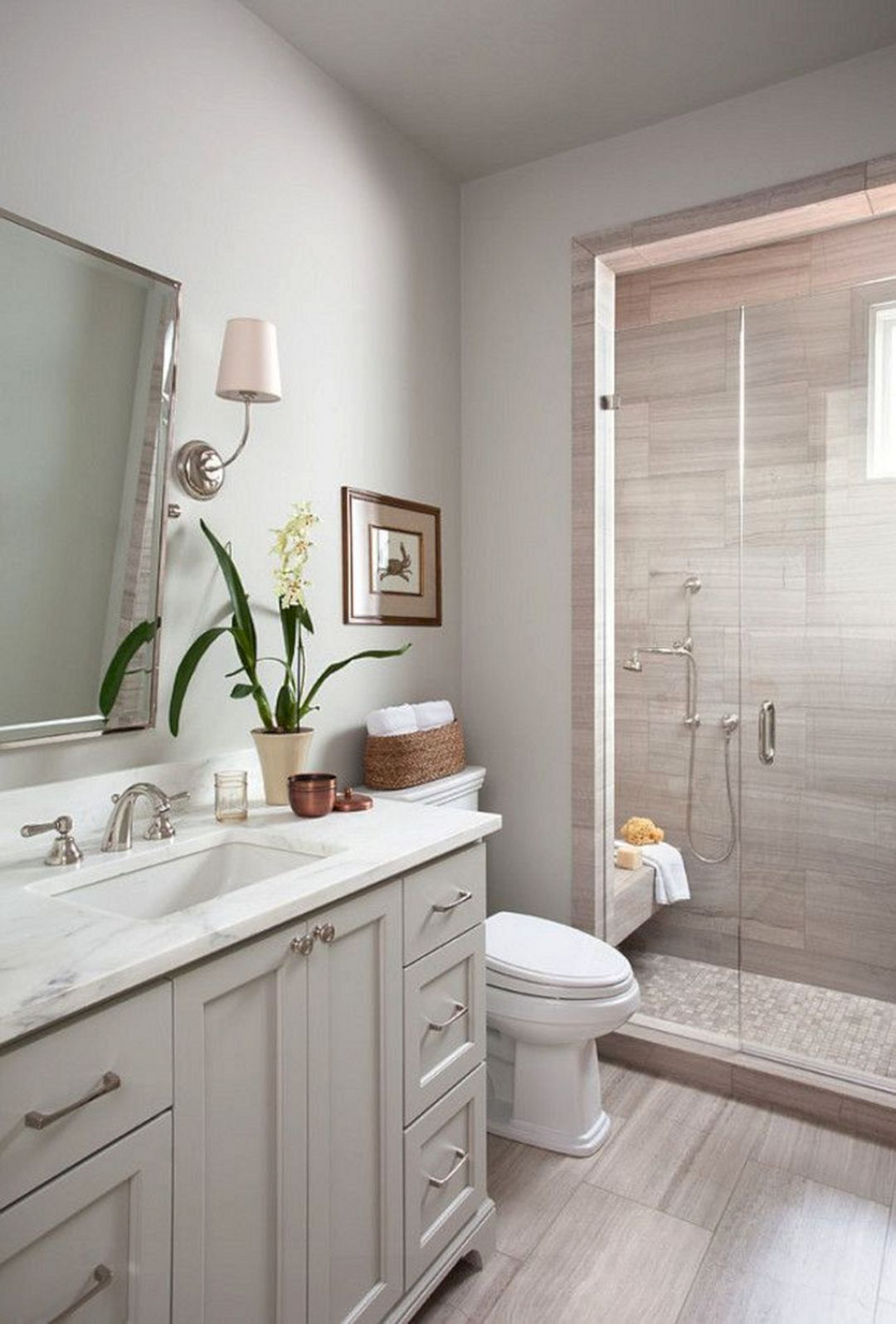
22 Extraordinary Small Master Bathroom Ideas – Home Decoration and …
Small Master Bathroom Design Ideas
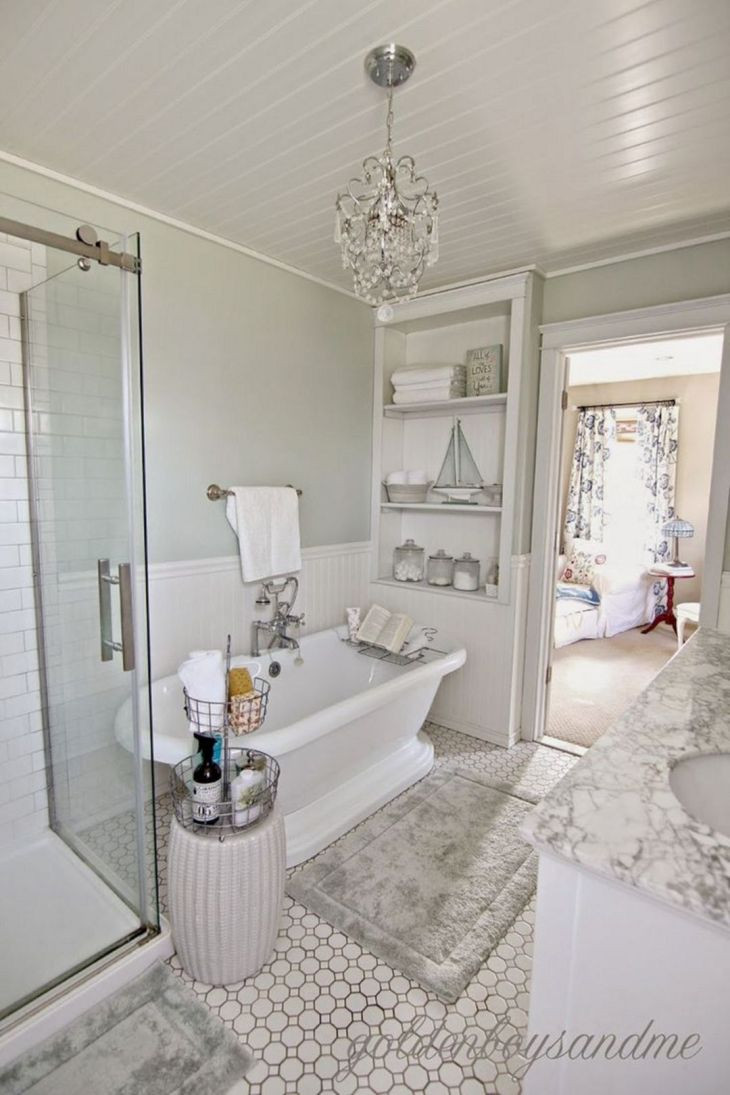
Small Master Bathroom Design Ideas