Why Simple Dining Room Ideas Are Evolving in Today’s Design Landscape
Introduction
If you’ve ever searched for simple dining room ideas, you’ve probably noticed how popular minimalist and understated dining spaces have become. Characterized by clean lines, neutral palettes, and uncluttered layouts, the simple dining room style gained momentum for its calming effect and effortless elegance.
Yet, design tastes never stay still. While simplicity remains appealing, many homeowners and designers are rethinking what “simple” means as lifestyle needs and aesthetic desires shift. In this article, you’ll discover five reasons why the traditional simple dining room trend is evolving and what fresh directions are shaping modern dining spaces.
1. It Can Feel Too Minimal and Impersonal
Simple dining rooms often focus on minimalism — but this can sometimes result in spaces that lack warmth or personality. When too many elements are pared down, rooms risk feeling sterile rather than inviting.
For example, plain white walls combined with basic wood furniture may create a clean look but can miss opportunities for texture, color, or meaningful décor that reflects the homeowner’s lifestyle.
Today, designers and homeowners favor adding tactile materials—like natural fibers, layered rugs, or handcrafted ceramics—to simple layouts. This brings comfort and character without compromising simplicity.
This shift highlights the importance of balancing restraint with personality to craft dining areas that feel both elegant and welcoming.
2. It Can Limit Storage and Practicality
The drive for simple dining room ideas often means minimal furniture and hidden or reduced storage, which can hurt functionality.
Take a sleek dining table with no sideboard or shelving nearby—this can make storing dinnerware and linens cumbersome, especially for families or those who host frequently.
Modern dining rooms are increasingly incorporating smart storage solutions: built-in cabinets with clean fronts, multifunctional furniture with hidden compartments, or open shelving paired with curated displays. These offerings maintain a simple look but boost day-to-day usability.
Ultimately, a practical approach to simplicity ensures dining spaces sustain comfort and ease, aligning style with lifestyle.
3. It Can Oversimplify Lighting Needs
Simple dining rooms often rely on natural light and single light fixtures, but this can fall short in creating the right atmosphere throughout the day.
Lack of layered lighting—such as accent lamps, dimmers, or pendant variations—may make the space feel flat or less adaptable for different occasions.
Contemporary design trends encourage combining natural light with multiple lighting sources that can be adjusted for mood, task, or ambience. For instance, pendant lights with warm bulbs over the dining table paired with wall sconces add depth without visual clutter.
Enhancing lighting keeps the simplicity intact while improving comfort and versatility.
4. It Doesn’t Always Reflect Sustainable or Durable Choices
Many early simple dining room trends favored budget-friendly or mass-produced materials to maintain affordability and clean aesthetics.
However, this sometimes meant compromising longevity or environmental responsibility, using cheap veneers or synthetic finishes that wear out quickly.
Increasingly, designers emphasize sustainability through natural, durable materials like reclaimed wood, stone, or organic fabrics—even within simple schemes. These offer texture and character, improving the room’s lifespan and ecological footprint.
Choosing quality materials supports both style and value over time, appealing to homeowners mindful of investment and the planet.
5. It Can Overlook the Importance of Personalized Styling
While simple dining rooms often strip back excessive décor, this approach can unintentionally sideline personal touches that make a space uniquely yours.
Generic artwork, mass-produced furniture, or lack of meaningful accents may not resonate with the homeowner’s story or preferences.
More current trends encourage integrating a few statement pieces—like a vintage sideboard, handmade tableware, or bespoke lighting—that add character without overwhelming simplicity.
This personalized approach increases emotional connection to the space and enhances enjoyment during family meals or entertaining.
Conclusion
Simple dining room ideas have earned their place for good reason: they offer clarity, calm, and a timeless sense of order. Yet, as lifestyles and design awareness evolve, these ideas are being refined rather than discarded.
Functionality, warmth, thoughtful lighting, sustainability, and personalization are the emerging priorities shaping how simplicity is interpreted today. As with any trend, what works best depends on your unique needs, budget, and tastes.
When planning your dining area, aim for a thoughtful balance—embracing simplicity while allowing space for comfort and personality. This way, your design feels current, livable, and truly yours, rather than just following the latest fad.
Simple Dining Room Ideas For A Modern & Elegant Look
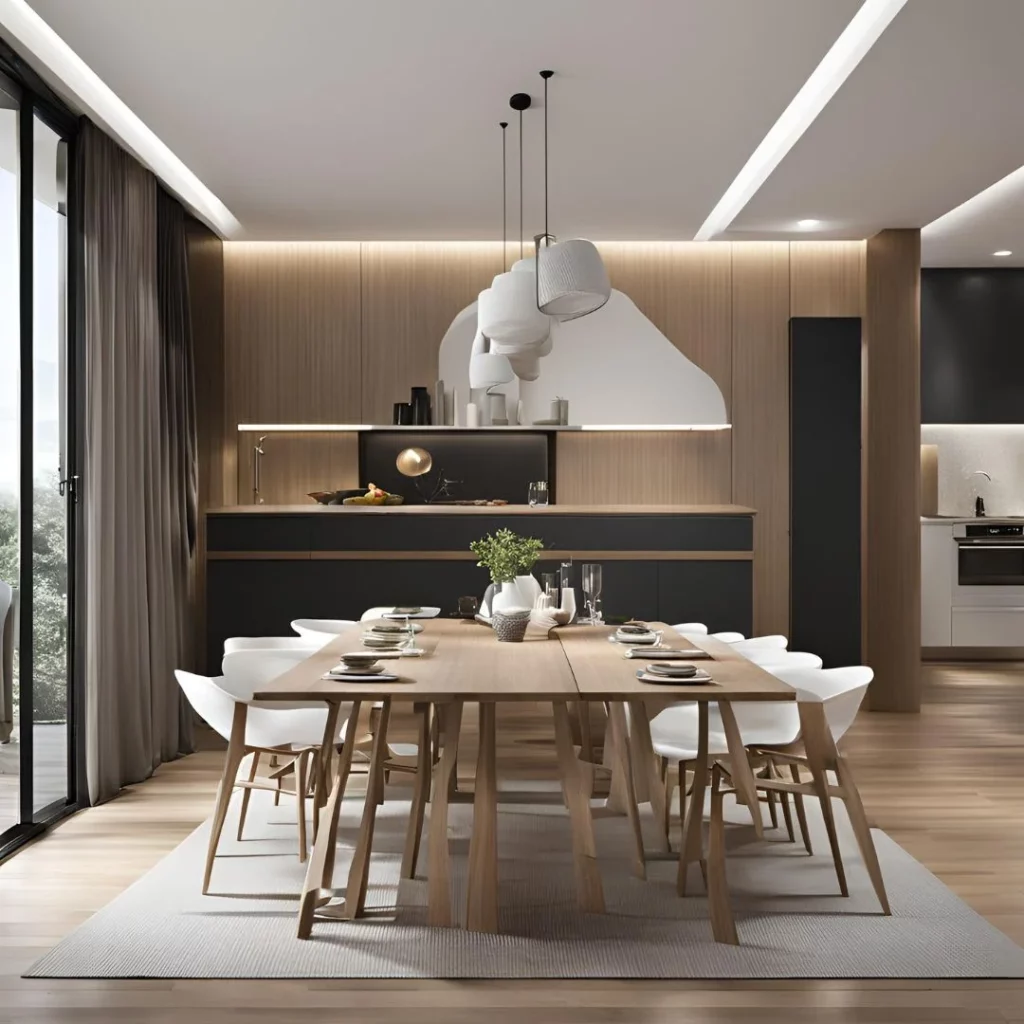
Simple Dining Room Ideas for a Modern & Elegant Look
Simple Dining Room Design

Simple Dining Room Design
Simple Dining Room Ideas
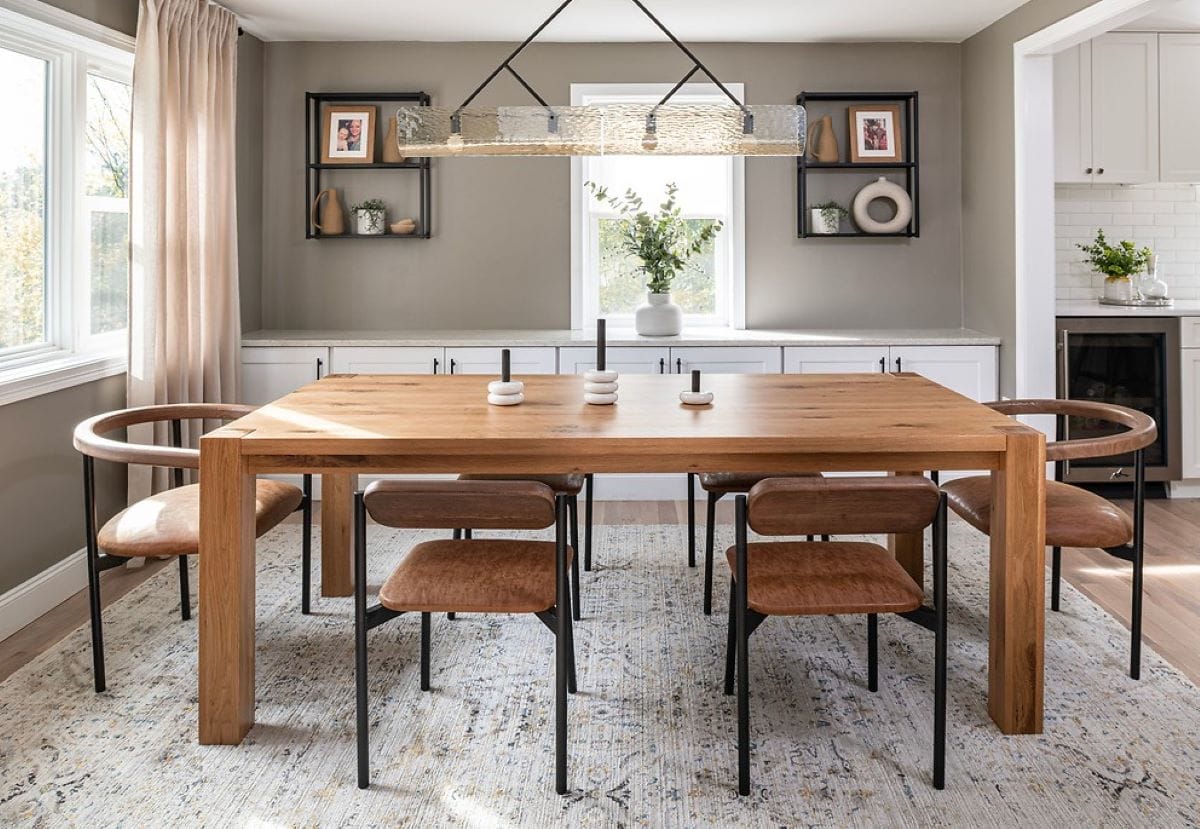
Simple Dining Room Ideas
15 Stunning Minimalist Dining Room Ideas To Elevate Your Space – DWELL

15 Stunning Minimalist Dining Room Ideas to Elevate Your Space – DWELL …
Simple Dining Room Ideas For A Modern & Elegant Look

Simple Dining Room Ideas for a Modern & Elegant Look