Are Traditional Bedroom Storage Ideas Still Relevant? 5 Insights for Today’s Homeowners
Introduction
If you’ve searched for bedroom storage ideas lately, you’ve probably noticed an evolving landscape. For years, maximizing closet space, bulky dressers, and modular storage units have been go-to solutions for organizers and renters alike. These methods promised to declutter bedrooms and optimize every inch. But as lifestyles shift and interior design tastes evolve, the way we think about bedroom storage is changing too.
In this article, we’ll explore why classic bedroom storage ideas are becoming less dominant, delve into what homeowners should consider before investing, and highlight fresh design directions that combine style and practicality more seamlessly.
1. Traditional Storage Can Make Smaller Bedrooms Feel Cramped
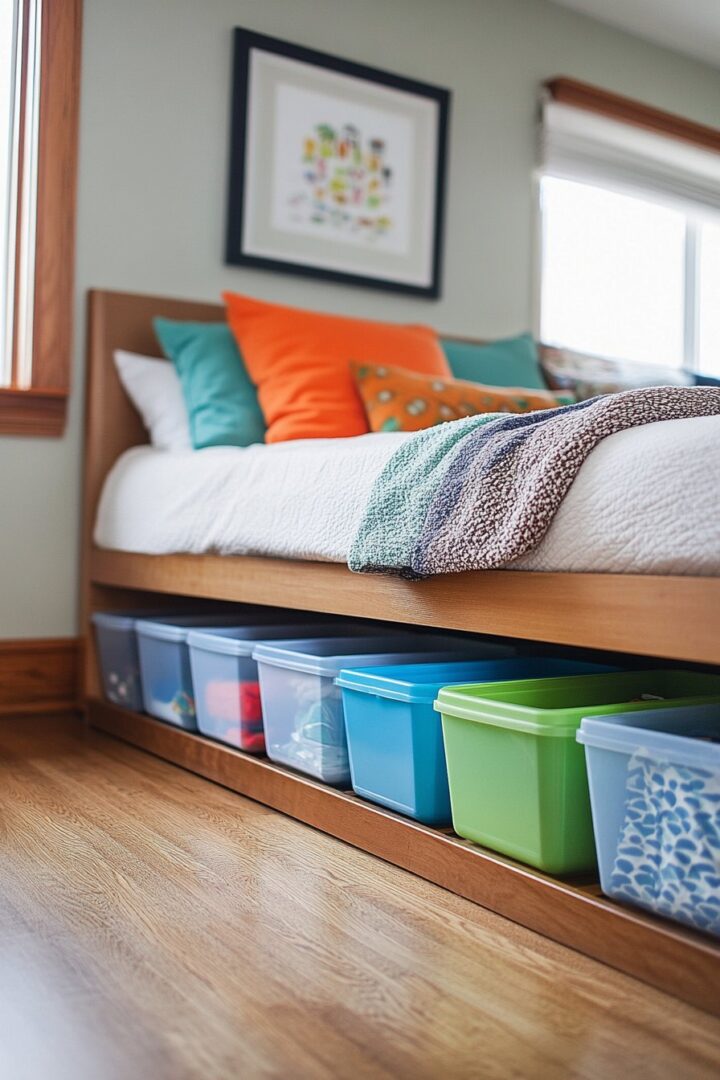
Classic bedroom storage often involves large dressers, under-bed bins, or floor-to-ceiling shelving which can dominate the room.
These bulky pieces consume valuable floor space and can interrupt natural light flow, making compact bedrooms feel crowded and less serene.
For example, a tall wooden dresser may provide ample drawers but can overpower a modest rental bedroom, limiting opportunities for personalization and rearrangement.
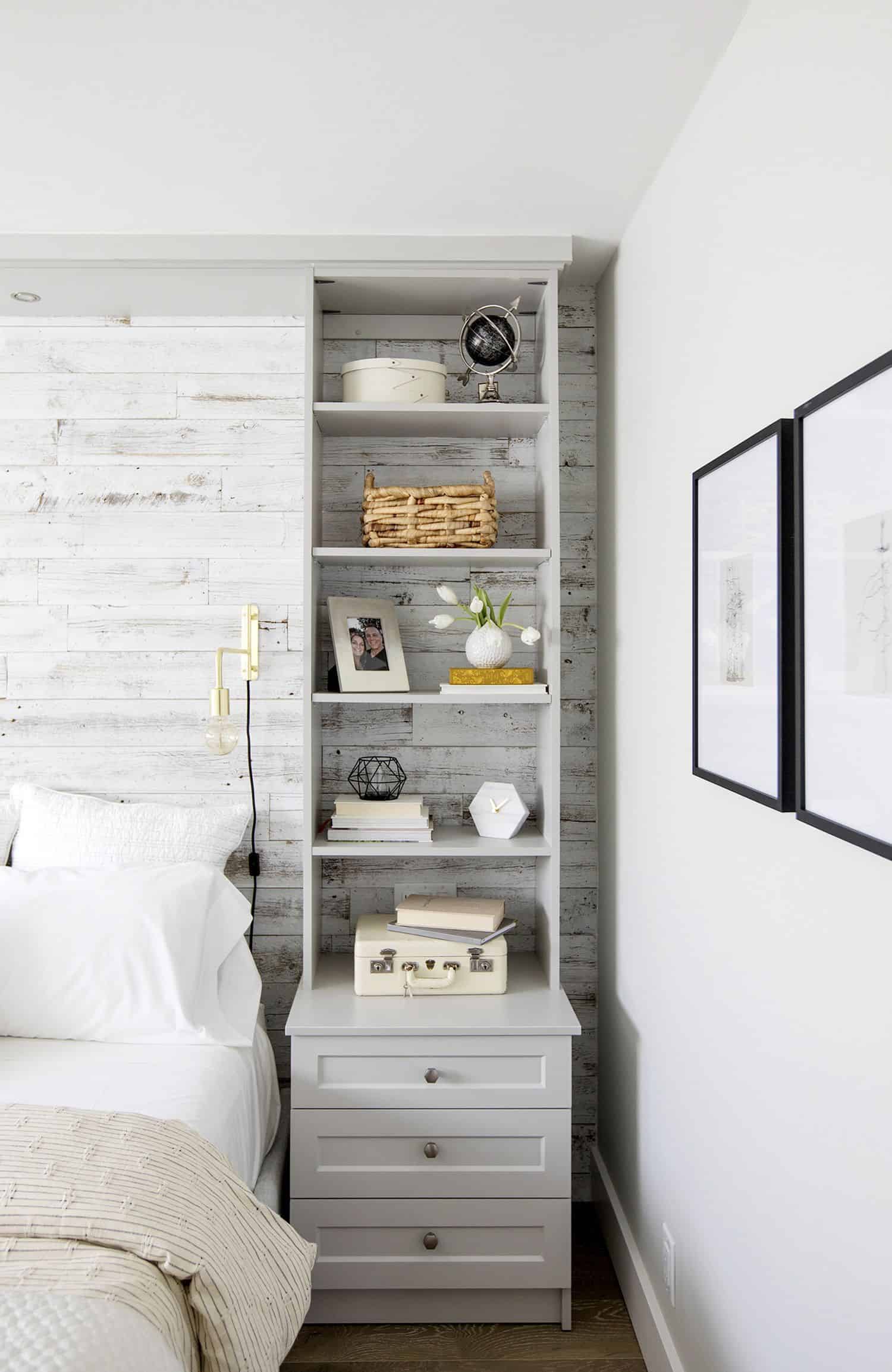
Today, many homeowners prefer sleek built-in solutions or minimalist floating shelves that keep floors open and maximize light, creating an airy vibe while still offering smart storage.
In essence, thoughtful storage designs that favor openness help bedrooms remain both functional and visually calming.
2. Some Storage Ideas Prioritize Quantity Over Accessibility
Having a lot of storage space is appealing but if that space isn’t easy to access, it can become a hassle.
Deep drawers or high shelving may store more but reaching items regularly often turns cumbersome, which impacts daily functionality.
For instance, a complicated closet organizer with multiple compartments might look impressive but may discourage use if it’s inconvenient to navigate.
Modern trends highlight streamlined options like pull-out baskets, modular units with clear fronts, or open hanging racks—prioritizing quick access without sacrificing neatness.
Ultimately, storage solutions should simplify routines, not add complexity.
3. Material Choices in Traditional Storage May Lack Sustainability
Many conventional storage pieces use particleboard or MDF that don’t last long and aren’t eco-friendly.
These materials are often cheaper but prone to warping or damage with moisture, impacting longevity and environmental footprint.
For example, mass-produced nightstands can chip easily and may require replacing within a few years, contributing to waste.
Today’s homeowners increasingly seek storage made from responsibly sourced wood, bamboo, or recycled metals that offer durability while aligning with sustainable living values.
Choosing higher-quality, sustainable materials benefits both style and conscience in the long run.
4. Excessive Storage May Discourage a Mindful Lifestyle
Ample storage encourages collecting and keeping more belongings, which can lead to clutter rather than order.
It’s tempting to hold onto items “just in case,” but excessive storage capacity may delay decluttering and complicate maintenance.
For example, bedrooms with large wardrobes or multiple drawers often become catch-alls rather than organized retreats.
Increasingly, minimalism and intentional living shape storage strategies that focus on keeping only essentials, supported by modular, adaptable storage to evolve with needs.
This shift fosters not only tidier rooms but a calmer, more purposeful lifestyle.
5. Personalized and Mixed-Use Storage Is Replacing One-Size-Fits-All Solutions
Standard storage units might not fit diverse lifestyles or aesthetic preferences, limiting flexibility.
With changing technology and new daily routines, bedrooms often double as workspaces, hobby corners, or relaxation zones.
For instance, a renter’s bedroom might benefit more from an integrated desk with storage above and hidden compartments than from traditional standalone furniture.
Designers today endorse customized, modular storage that blends with décor and adapts to multi-functional rooms, balancing style, comfort, and utility.
Personalized solutions allow homeowners to get creative while maximizing every inch efficiently.
Conclusion
Bedroom storage ideas have certainly evolved from bulky, one-dimensional pieces toward more efficient and lifestyle-friendly solutions. While traditional storage still holds value—especially in larger spaces—many designers and homeowners now prioritize adaptability, sustainability, and aesthetics that enhance everyday living.
Remember, interior design trends naturally ebb and flow. What matters most is choosing storage approaches that align with your personal needs, spatial conditions, and long-term goals. Thoughtful storage isn’t just about hiding clutter; it’s about creating a bedroom that nurtures rest, functionality, and your unique style.
So next time you consider bedroom storage ideas, take stock not only of volume but also flexibility, material quality, and how well designs complement your lifestyle. With informed choices, your bedroom can become both beautifully organized and genuinely comfortable.
30 Genius Bedroom Storage Ideas To Maximize Your Space – NP

30 Genius Bedroom Storage Ideas to Maximize Your Space – NP
Storage Ideas For Bedrooms | 53 Insanely Clever Bedroom Storage Hacks
Storage Ideas For Bedrooms | 53 Insanely Clever Bedroom Storage Hacks …
Maximizing Your Bedroom Storage With Underbed Ideas – Home Storage

Maximizing Your Bedroom Storage With Underbed Ideas – Home Storage …
Creative Bedroom Storage Ideas For Renters To Maximize Space
Creative Bedroom Storage Ideas for Renters to Maximize Space
Small Bedroom Ideas For Storage
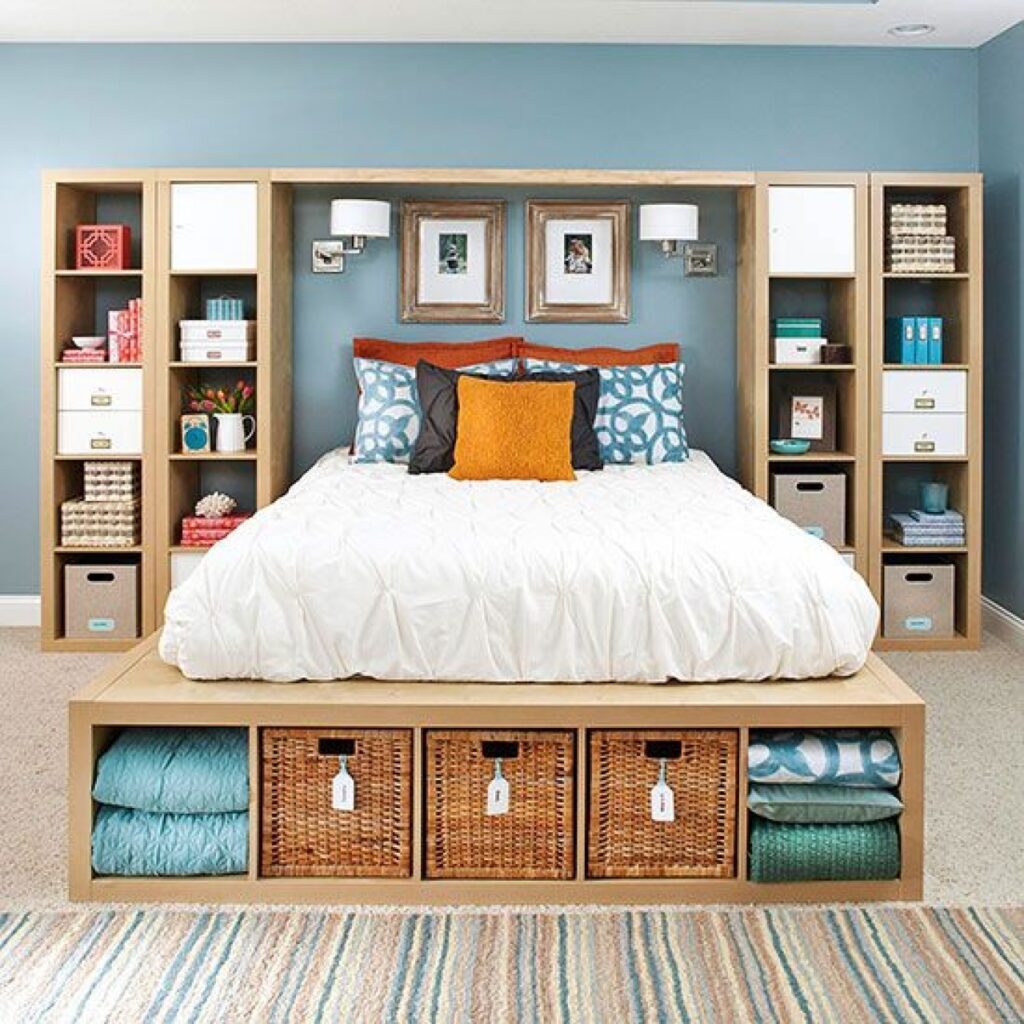
Small Bedroom Ideas For Storage