Apartment Studio Decorating Ideas: Why Some Trends Are Shifting and What’s Next
Introduction
If you’re searching for fresh apartment studio decorating ideas, you’ve probably noticed how popular minimalism and multi-functional furniture have become. Studio apartments, with their open layouts and limited square footage, have inspired many creative design solutions that maximize space and style. However, as lifestyle priorities change, so do the ways we approach decorating these compact living spaces.
In this article, we’ll explore why some once-favored decorating ideas are becoming less dominant, what’s driving these shifts, and which design directions are emerging as favorites for today’s studio dwellers. Whether you rent or own, these insights can help you create a functional, comfortable, and timeless studio home.
1. The Overuse of Minimalism Can Feel Cold
Main Claim: Minimalist decor, while sleek, can sometimes make a studio apartment feel sterile rather than inviting.
Explanation: Minimalism’s emphasis on clean lines, neutral palettes, and decluttered spaces became popular because it makes small apartments feel airy and organized. But without warmth or texture, these spaces risk feeling impersonal.
Examples: White walls, metal furniture, and sparse accessories might reduce visual clutter but can also compromise comfort and character. For instance, smooth surfaces paired solely with black and white tones may lack the coziness many crave.
Modern Perspective: Many designers now blend minimalism with natural textures—like warm woods, soft textiles, and plants—to maintain openness without sacrificing comfort or personality.
Mini Conclusion: While minimalism remains practical for studios, integrating tactile and color elements enhances livability and makes spaces feel more like home.
2. Multi-Functional Furniture Isn’t Always User-Friendly
Main Claim: Although multi-functional pieces save space, they can add complexity and reduce comfort.
Explanation: Furniture such as fold-out sofas or murphy beds maximize square footage but may require frequent rearranging or compromises on ergonomics.
Examples: A convertible desk that doubles as a dining table is clever, but might feel cramped during meals or work sessions. Similarly, pull-out sofa beds sometimes lack the comfort of dedicated beds.
Modern Perspective: Homeowners often prefer investing in fewer, higher-quality pieces explicitly designed for comfort and longevity, supplemented by clever storage solutions that don’t compromise usability.
Mini Conclusion: Space-saving furniture works best when balanced with comfort and functionality to suit daily habits.
3. Excessive Open Storage Can Look Cluttered
Main Claim: Open shelving has been trendy for studio apartments but risks making the space appear messy.
Explanation: Displaying items openly helps keep visual flow but can quickly become overwhelming without careful curation and maintenance.
Examples: A wall of open shelves stocked with books, decor, and kitchenware becomes an organizational challenge and can gather dust, adding to upkeep.
Modern Perspective: Many now combine open shelves with concealed cabinetry to strike a balance between display and hidden storage, promoting neatness while still offering personality.
Mini Conclusion: Thoughtful storage that mixes openness with closed elements often better supports everyday living and tidiness.
4. Overly Neutral Color Palettes Limit Personality
Main Claim: Neutral tones dominate studio apartment designs but can feel monotonous and uninspired.
Explanation: Beige, gray, and white create a calming backdrop and expand small spaces visually, but excessive neutrality can make interiors feel bland and less expressive.
Examples: Painting walls and choosing sofas strictly in muted colors may clash with a homeowner’s desire for a lively or cozy atmosphere.
Modern Perspective: Incorporating bold accents—jewel tones, patterned textiles, or statement art—adds depth and encourages personalization that suits diverse lifestyles.
Mini Conclusion: Thoughtful pops of color enliven studios without sacrificing the airy feel that neutrals provide.
5. The DIY Trend Can Sacrifice Quality and Longevity
Main Claim: DIY projects have been popular avenues for personalization but sometimes lead to lower durability.
Explanation: Customizing pieces or building furniture can be budget-friendly and fulfilling. However, without professional skill or quality materials, results may wear out faster or compromise safety.
Examples: Hand-painted furniture or homemade shelving might add charm but may require more maintenance, reducing long-term value.
Modern Perspective: More homeowners are balancing DIY creativity with investing in professional pieces or durable materials that offer better lifespan and resale appeal.
Mini Conclusion: Combining personal touches with quality craftsmanship supports both individuality and practical longevity.
Conclusion
Apartment studio decorating ideas continue to evolve alongside changing lifestyles, functional needs, and aesthetic preferences. While trends like minimalist design, multifunctional furniture, open storage, neutral palettes, and DIY projects have offered creative solutions, many are adopting a more balanced approach that blends practicality, comfort, and personalization.
Ultimately, successful studio living depends on how well your design choices fit your daily routines, budget, and personality—more than simply following trends. Take inspiration from what is current but feel confident to tailor your space into a home that truly reflects you.
30 Stylish Studio Apartment Decor Ideas – Artofit
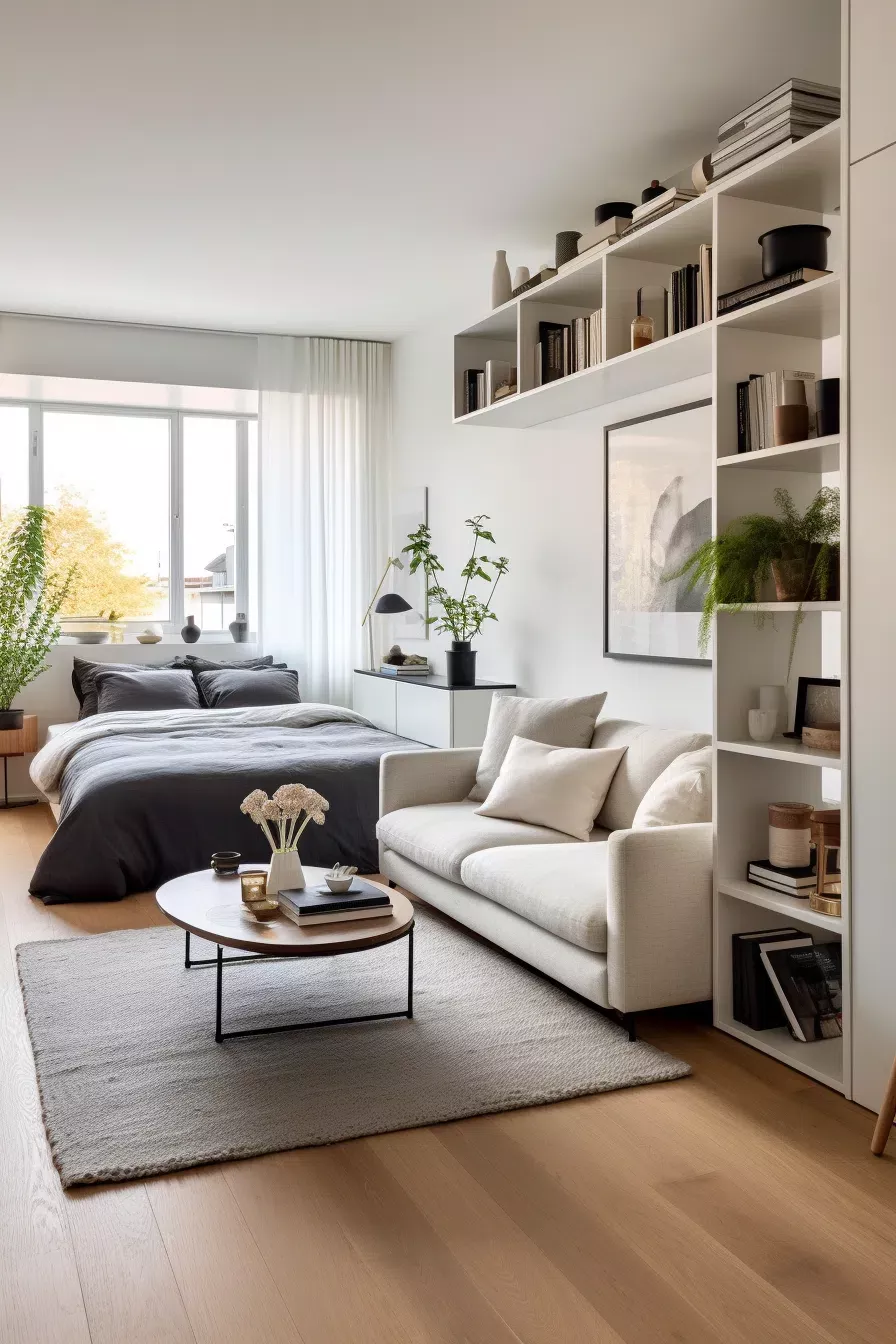
30 stylish studio apartment decor ideas – Artofit
Studio Apartment Decor Ideas For Small Spaces
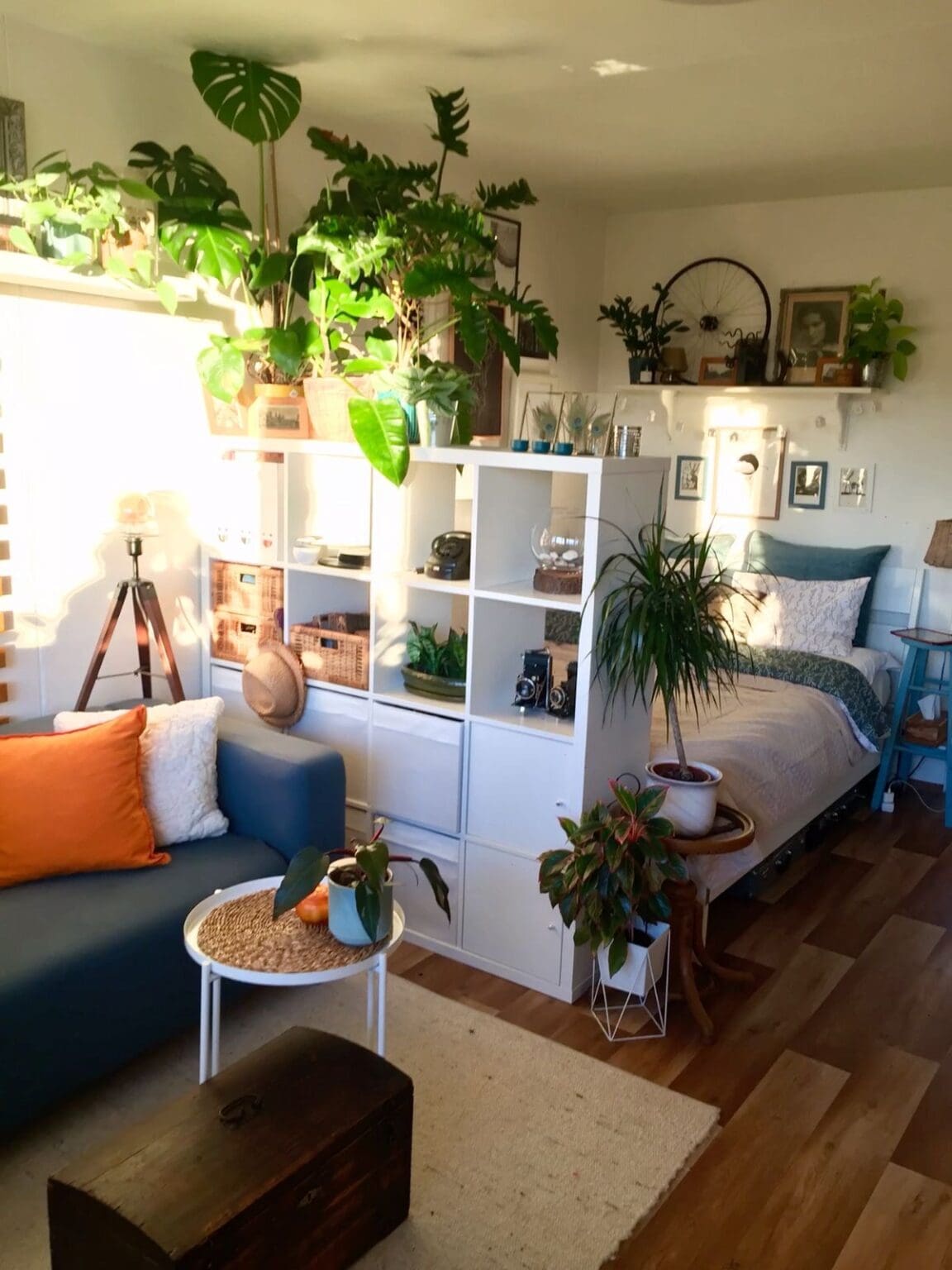
Studio Apartment Decor Ideas For Small Spaces
Studio Apartment Interior Design Ideas
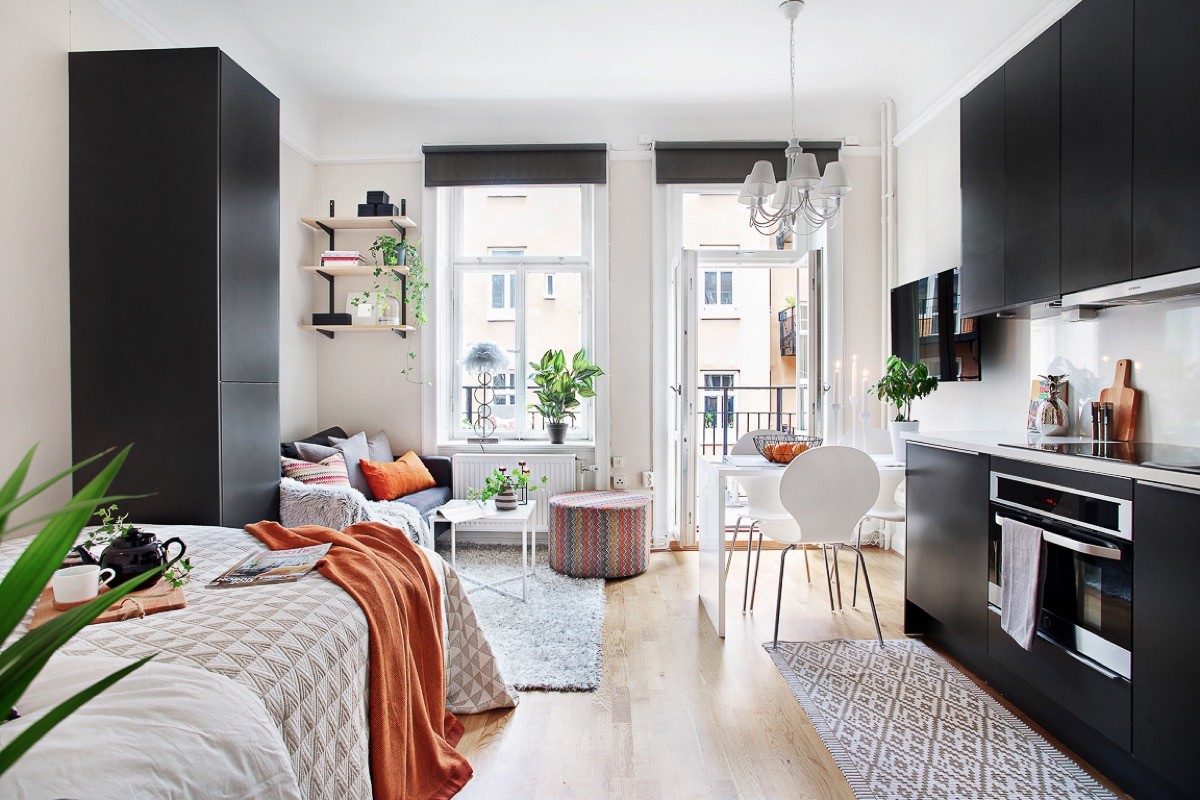
Studio Apartment Interior Design Ideas
16+ Important Inspiration Studio Apartment Design Ideas

16+ Important Inspiration Studio Apartment Design Ideas
Studio Apartment Theme Ideas

Studio Apartment Theme Ideas