Is the Tiny House Trend Still Relevant? What Homeowners Need to Know About Tiny House Ideas
Introduction
Tiny house ideas have captured the imagination of many homeowners and design enthusiasts over the past decade. The concept revolves around creating efficiently designed living spaces that maximize functionality in minimal square footage—often 400 square feet or less. Built for sustainability, affordability, and simplicity, tiny homes gained rapid popularity as an alternative lifestyle and smart solution to housing challenges.
However, as with all design trends, opinions about tiny house living are evolving. In this article, we’ll explore why tiny house ideas became popular, why they’re seeing shifts in appeal, and what emerging design directions homeowners and designers favor today.
1. Space Efficiency Can Sometimes Compromise Comfort
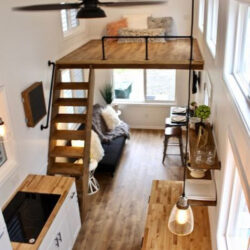
While tiny houses focus on clever storage and compact layouts, limited space can create a feeling of confinement.
Small-scale furniture, built-in storage, and multi-use spaces are ingenious, but they don’t always satisfy those who crave room to move or entertain guests. For example, a fold-away dining table maximizes space but limits everyday socializing comfort.
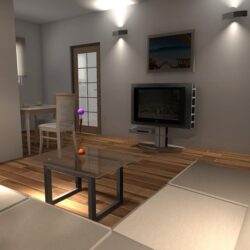
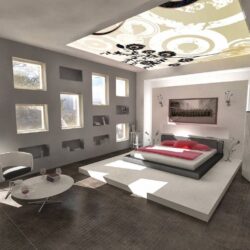
Many homeowners now lean toward open-plan, light-filled interiors that feel spacious and accommodating. Designers are blending tiny house principles with larger footprints to balance efficiency and personal space.
Recognizing this tension encourages smart design that values function without sacrificing comfort.
2. Maintenance and Durability Challenges Surface Over Time
Tiny homes often rely on lightweight materials or non-traditional building techniques to stay mobile or cost-effective.
While practical at first, these choices can impact the long-term durability and maintenance needs. For instance, compact plumbing and electrical systems may require specialized care, and exterior finishes on tiny homes sometimes weather faster than conventional houses.
Contemporary minimalist homes now emphasize material quality and longevity alongside sustainability. Durable wood, stone, and energy-efficient systems gain increasing attention for their lower upkeep and resale value.
This shift reveals that ease of maintenance is just as critical as initial affordability.
3. Budget Benefits May Be Offset by Hidden Costs
Tiny houses are often promoted as affordable alternatives to traditional homes, appealing especially to first-time buyers or minimalists.
However, downsizing can invite unexpected expenses: custom furniture, specialized appliances, frequent repairs, or zoning permits. For example, integrating all utilities within a small footprint may require costly upgrades or bespoke solutions.
Many modern homeowners prefer to invest in moderately sized homes with flexible layouts that provide room for personalization without unmanageable expenses.
Understanding the full financial picture encourages more informed choices rather than assuming smaller means cheaper.
4. Lifestyle Compatibility is More Complex Than It Seems
The tiny house trend supports sustainable, minimalist living, which resonates deeply with some lifestyles.
But it may not suit everyone. Families, remote workers, or those who entertain regularly might find tiny spaces limiting in terms of privacy, workspace, or social gatherings.
Designers today are integrating modular rooms, adaptable partitions, and multi-functional areas into slightly larger homes to better match diverse needs.
Matching home size and layout with actual lifestyle demands proves essential for long-term happiness.
5. Natural Light and Connection to Outdoors Take Priority
One critique of tiny houses is that compact interiors can feel dark or closed in, despite efforts to use glass or skylights.
Effective use of natural light is critical for wellbeing and perceived spaciousness. Larger windows, sliding doors, and indoor-outdoor flow are trends increasingly favored in modern home design.
While tiny homes use clever light solutions, many homeowners now prioritize airy, open spaces that blend seamlessly with nature—like garden views or patios.
This evolution highlights that thoughtful integration of daylight and outdoor elements enhances both comfort and resale value.
Conclusion
The appeal of tiny house ideas originated from practical desires for affordability, sustainability, and simplicity. Yet, as tastes and lifestyles evolve, many find the limitations challenging.
Interior design trends naturally shift over time, embracing larger, flexible spaces that balance efficiency with comfort, material quality, and lifestyle compatibility.
Ultimately, the best approach is a personalized one. Homeowners should weigh their priorities—whether it’s budget, environmental impact, space needs, or aesthetics—and choose designs that truly fit their unique lives.
Tiny house ideas remain a valuable source of inspiration for clever storage and simplicity, but integrating those insights into homes that feel comfortable and lasting is key. Thoughtful, informed choices always outshine following trends blindly.
43 Astonishing Tiny House Design Ideas With Fabulous Storage – BESTHOMISH
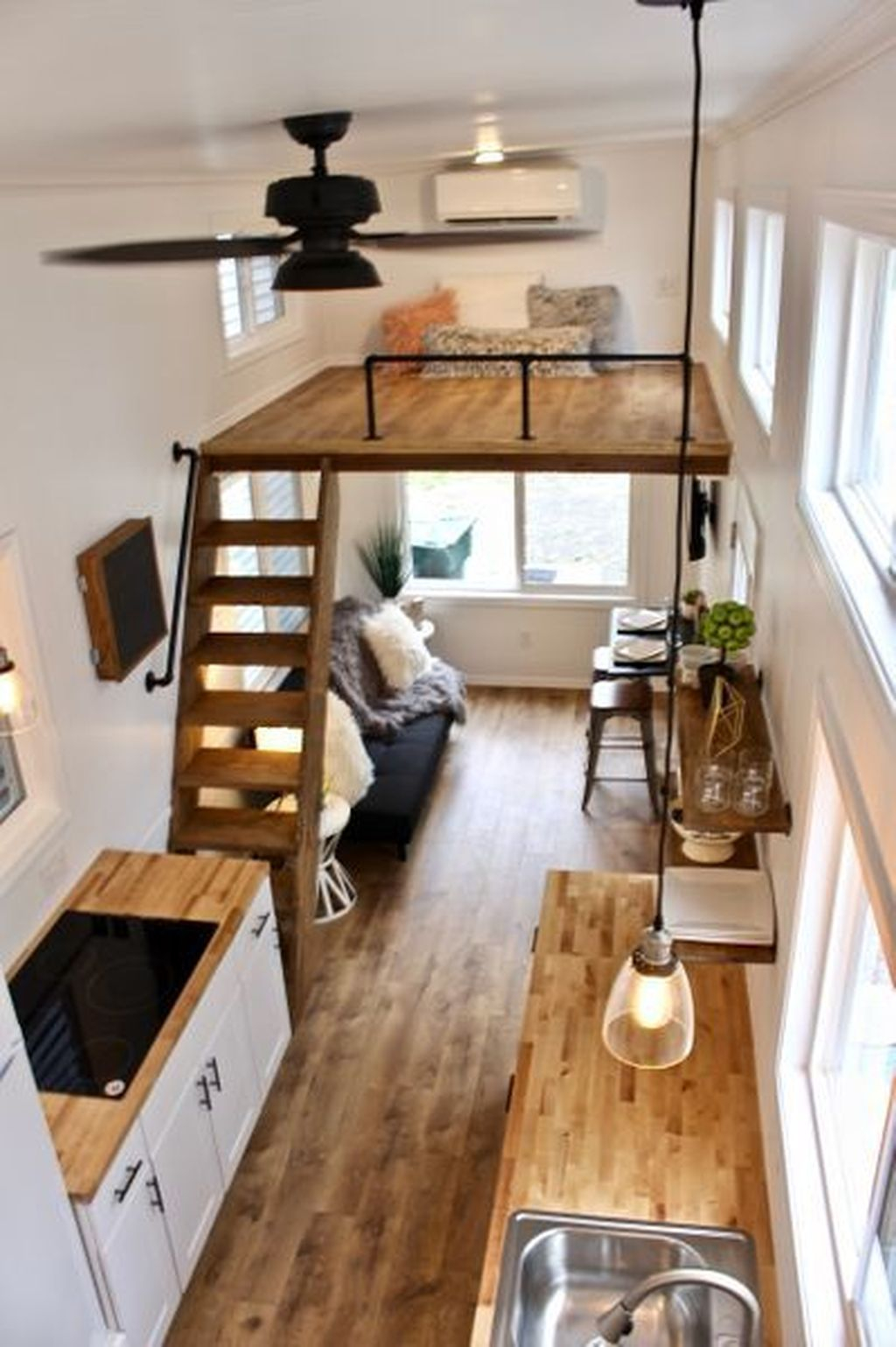
fabulous astonishing besthomish
Extremely Tiny Homes: Minimalistic Living In Style
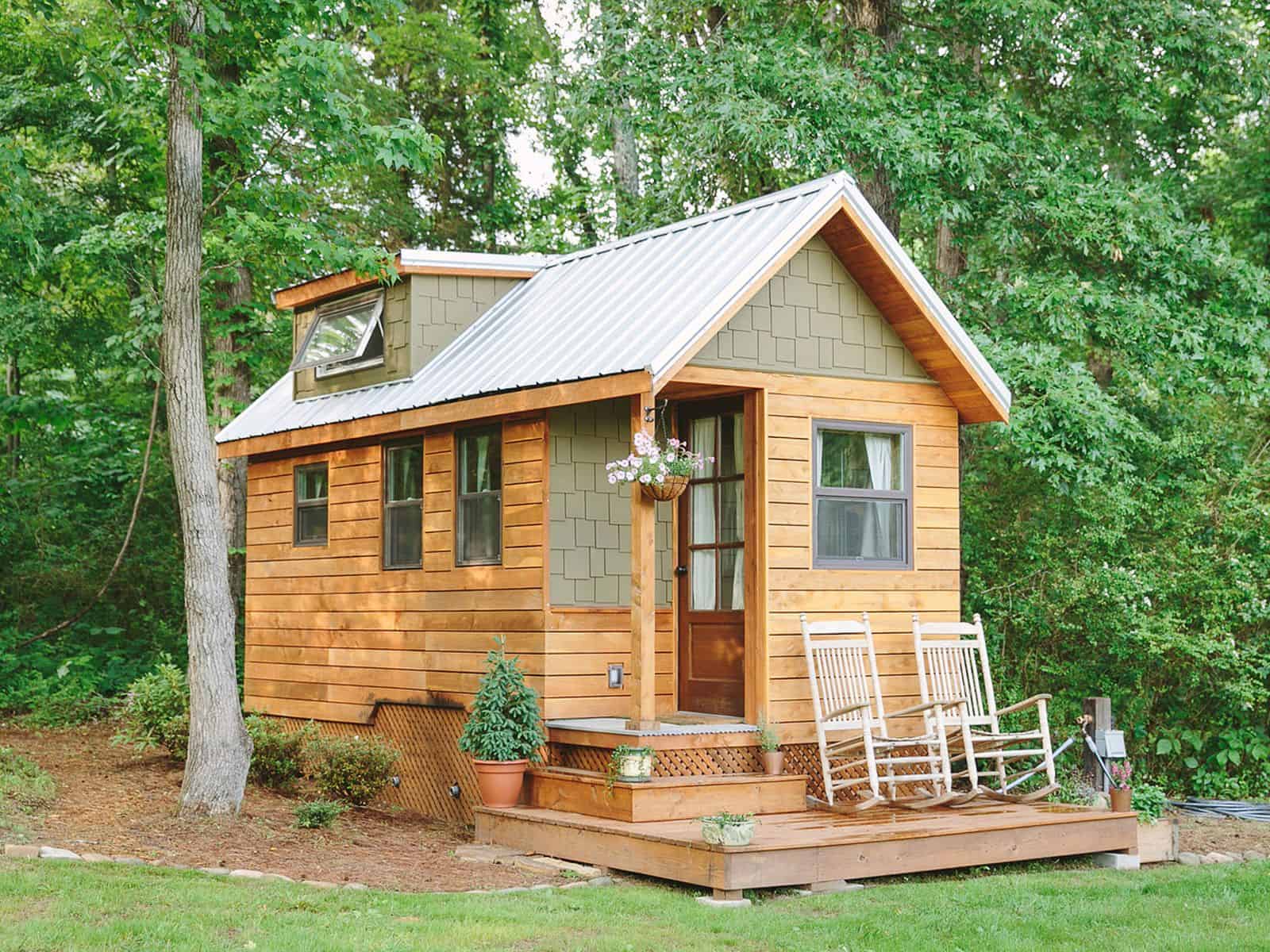
tiny homes house small cottage living style
43 Astonishing Tiny House Design Ideas With Fabulous Storage – BESTHOMISH
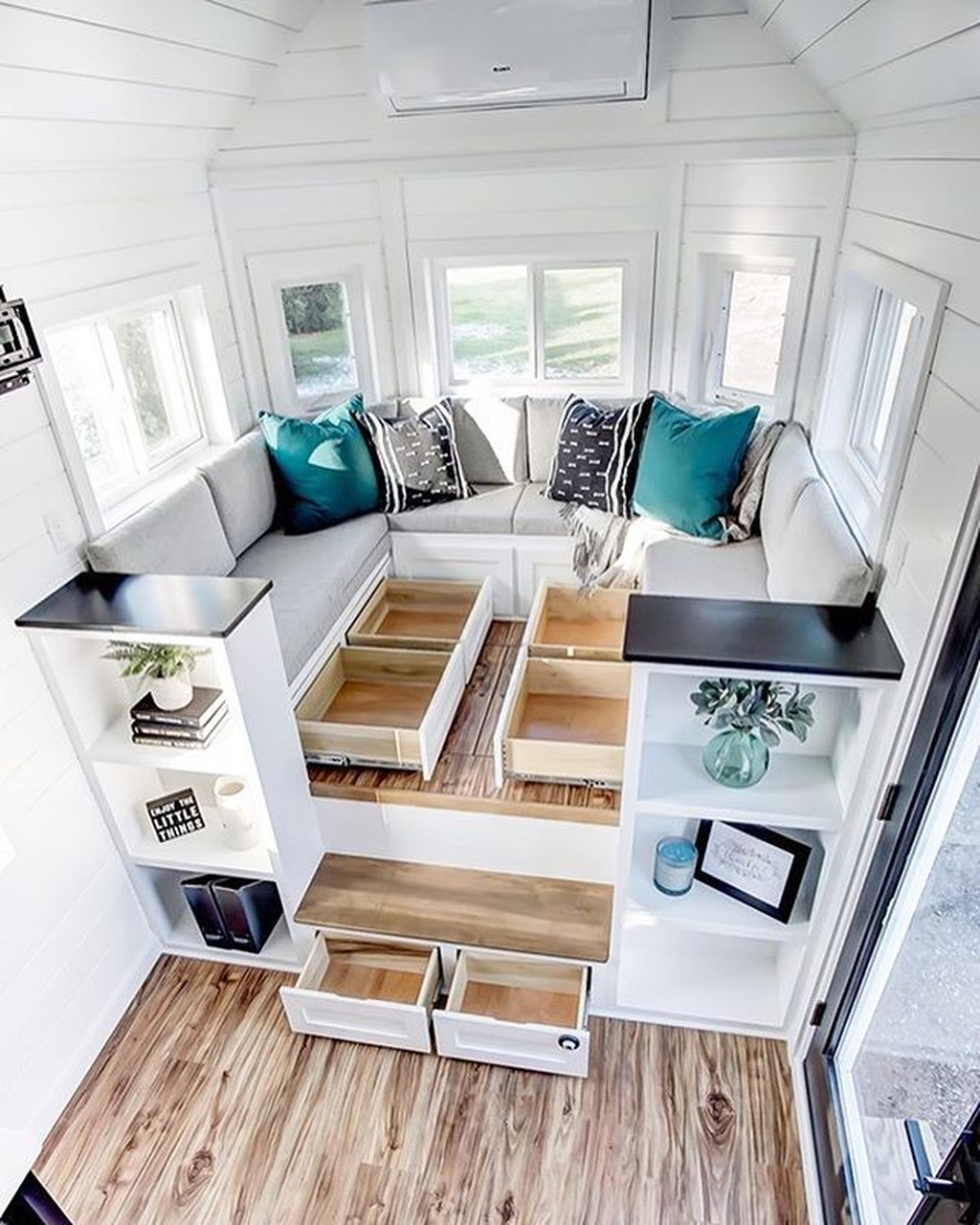
tiny homes fabulous astonishing spaces besthomish braxton extraspace cabin organization bedrooms
Amazing Ideas! Most Amazing Tiny Houses, House Plan Ideas
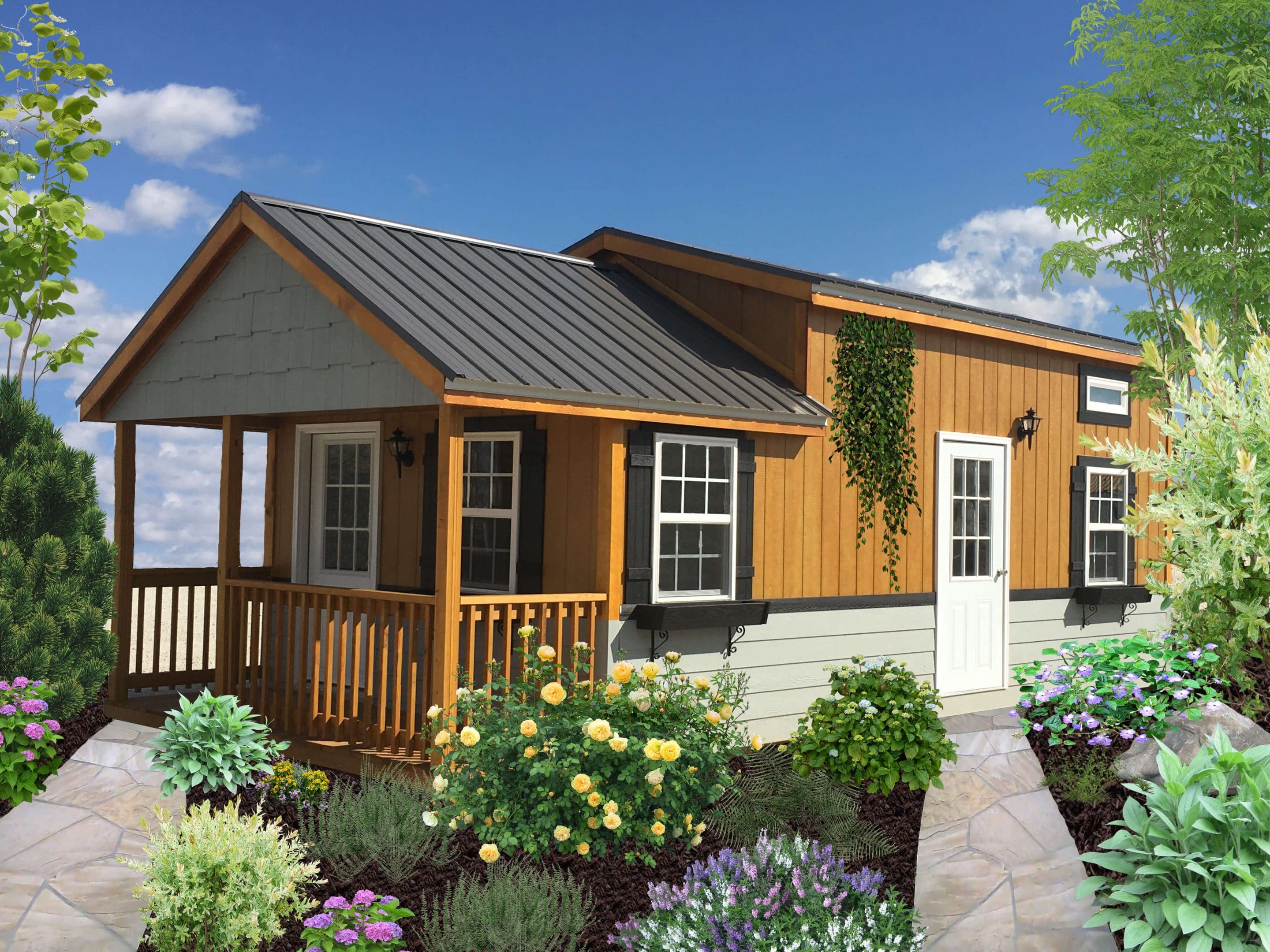
tiny ideas classicbuildingsales