Why Traditional Room Wall Decoration Ideas Are Evolving in Modern Homes
Introduction
For years, room wall decoration ideas like gallery walls, wallpaper, and large-scale art have been go-to choices in countless living spaces. These options helped personalize rooms and made walls function as more than just structural elements. However, as interior design preferences shift toward more functional and sustainable choices, some of these classic wall decorating trends are seeing a natural decline in popularity.
In this article, we’ll explore five reasons behind this change and discuss the fresh design directions homeowners and designers are embracing today to create walls that are both beautiful and practical.
1. Overly Busy Walls Can Make Spaces Feel Cluttered
Many traditional wall décor ideas involve layering multiple artworks, prints, or decorative items. While visually stimulating, these setups sometimes overwhelm smaller rooms or those with limited natural light.
For example, a densely packed gallery wall can reduce a room’s sense of openness, especially in compact urban apartments. This clutter effect often detracts from relaxation and comfort, key aspects of home design.
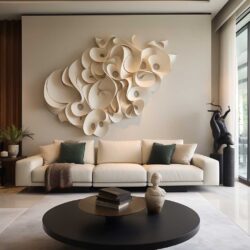
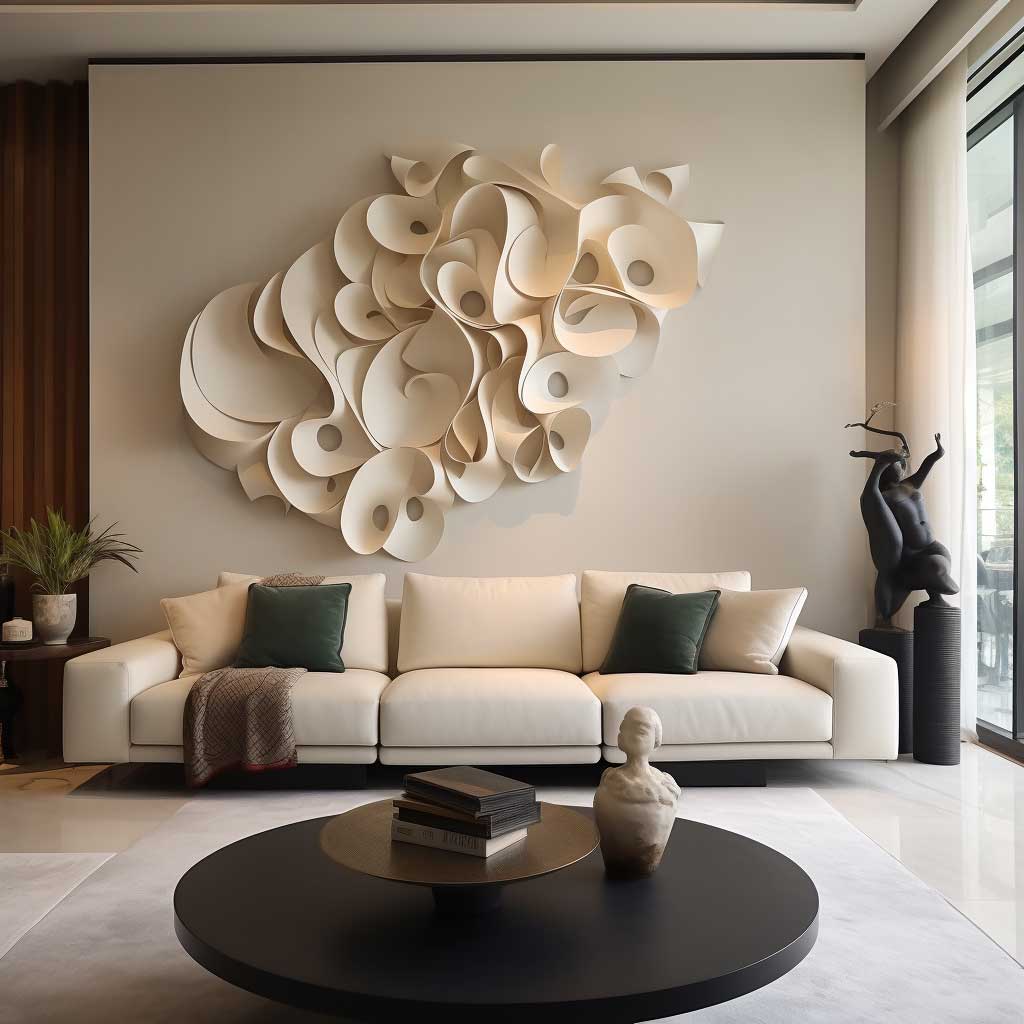
Modern homeowners are increasingly favoring minimalist walls with fewer, larger statement pieces or textured finishes. These approaches help maintain airy, peaceful ambiances that enhance both natural light flow and room spaciousness.
Keeping wall décor simple and well-curated improves the balance between aesthetics and function, making this consideration crucial for today’s interior trends.
2. High Maintenance Wall Treatments Are Losing Appeal
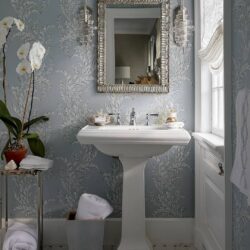
Decorative options like intricate wallpaper patterns or three-dimensional embellishments can add character but often demand considerable upkeep.
Wallpaper can peel or fade, requiring repairs or replacement, which increases long-term costs and maintenance hassles. Similarly, fragile wall décor can get dusty and require delicate cleaning.
In contrast, homeowners now prefer durable, easy-to-maintain solutions such as washable paint finishes or removable decals. These choices reduce upkeep stress while preserving style.
Prioritizing practicality alongside beauty is one reason truly functional wall décor is more in demand than ever.
3. Environmental Concerns Influence Material Choices
Many popular wall decorating products historically used non-sustainable materials or chemicals. This has raised awareness about environmental impact among homeowners and designers alike.
For instance, vinyl wallpapers and synthetic wall panels contribute to waste and off-gassing. As a result, eco-conscious consumers are seeking natural, recyclable, or low-VOC options such as clay plaster, reclaimed wood, or organic fabrics.
This growing emphasis on sustainability is reshaping how walls are decorated, encouraging choices that support healthier living spaces and reduce ecological footprints.
Integrating green materials aligns with lifestyle compatibility and reflects a broader move towards responsible home improvement.
4. Changing Lifestyles Demand More Functional Wall Spaces
Increasing remote work and at-home activities require walls to do more than simply look good. Walls now frequently serve as organizational hubs or interactive zones.
For example, built-in shelving, corkboards, or magnetic paint allow homeowners to customize storage, create personalized galleries, or hang functional items within easy reach. This smart use of wall space supports clutter reduction and enhances usability.
Consequently, purely decorative walls feel less practical compared to multi-purpose solutions blending aesthetic appeal with everyday utility.
Designers are responding by integrating flexible, adaptable wall systems that support evolving lifestyle needs without sacrificing style.
5. The Rise of Textural and Natural Elements Over Graphic Decor
Flat, graphic-heavy wall designs are gradually being replaced by textured surfaces and natural materials that add warmth and depth.
Examples include woven wall hangings, exposed brick, or wood paneling which introduce tactility and complement modern minimalism beautifully. These elements tend to be timeless and flexible, blending well with diverse interior styles.
Fashioning walls that engage the senses beyond just sight aligns with contemporary preferences for cozy, inviting environments that emphasize quality and longevity.
This trend reflects a move toward understated elegance, where texture and materiality take center stage rather than bold graphics or busy patterns.
Conclusion
Room wall decoration ideas continue to evolve with shifts in lifestyle, consciousness about sustainability, and a desire for functional beauty. While popular traditional decorations like dense gallery walls or intricate wallpapers have their charm, many homeowners today are opting for simpler, more practical, and eco-friendly solutions that suit modern living.
Ultimately, interior design trends come and go, but your personal taste and the unique needs of your space should always guide your choices. Embrace these insights to make informed decisions that balance style, comfort, and functionality — creating walls that truly enhance your home’s atmosphere for years to come.
Unique Wall Decor Ideas For Living Room — 36+ Looks I'd Steal Again
Unique Wall Decor Ideas for Living Room — 36+ Looks I'd Steal Again
Stunning Wall Art: Transform Your Living Room Into A Masterpiece
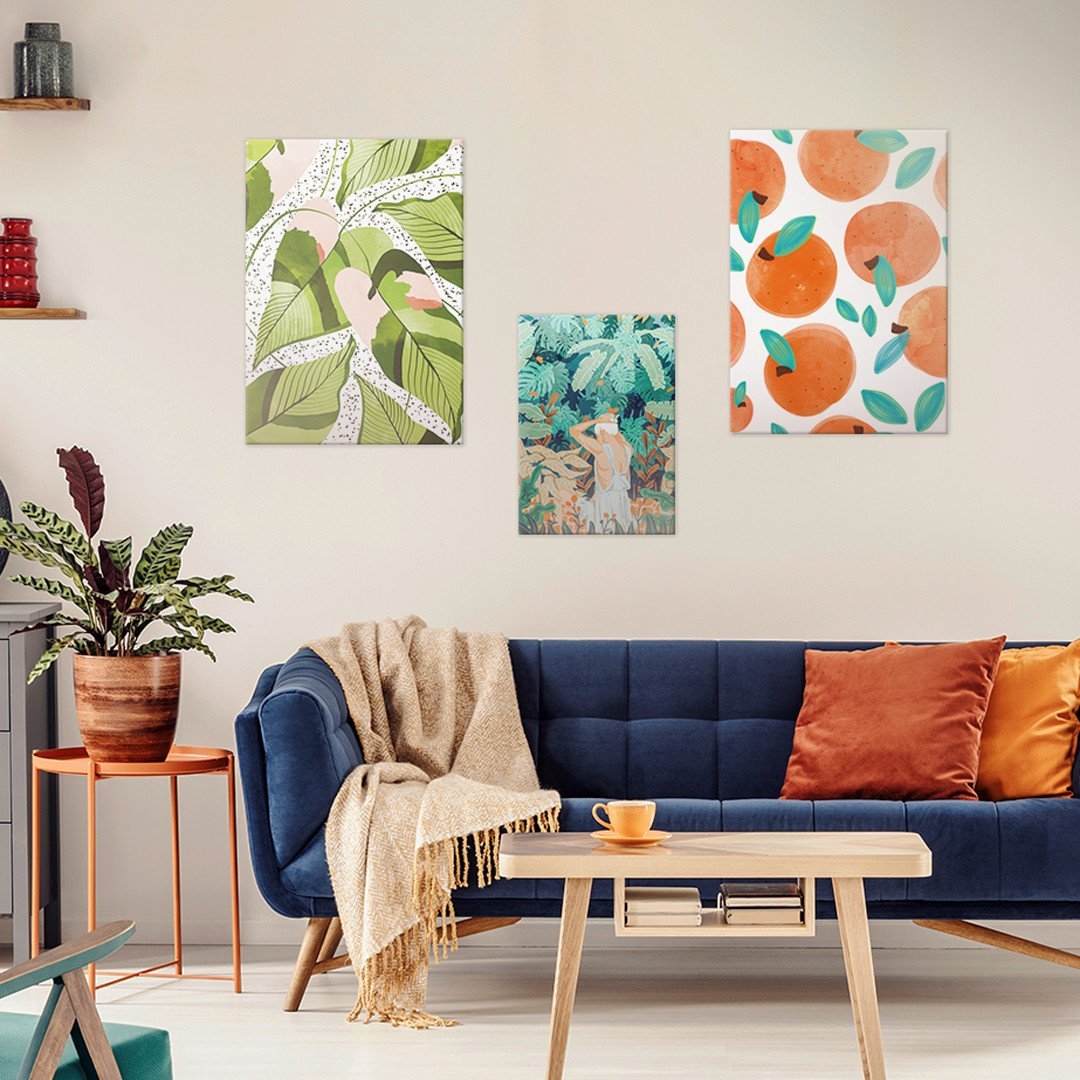
Stunning Wall Art: Transform Your Living Room into a Masterpiece
Living-room-wall-decor-ideas-diy – Craftionary
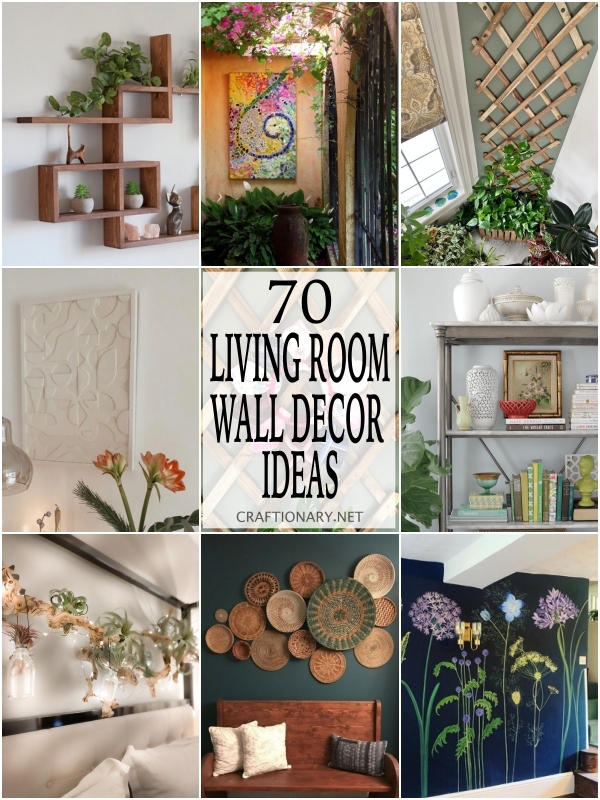
living-room-wall-decor-ideas-diy – Craftionary
20+ Attractive Living Room Wall Decor Ideas To Copy Asap | Simple

20+ Attractive Living Room Wall Decor Ideas To Copy Asap | Simple …
Wall Decoration Ideas Room
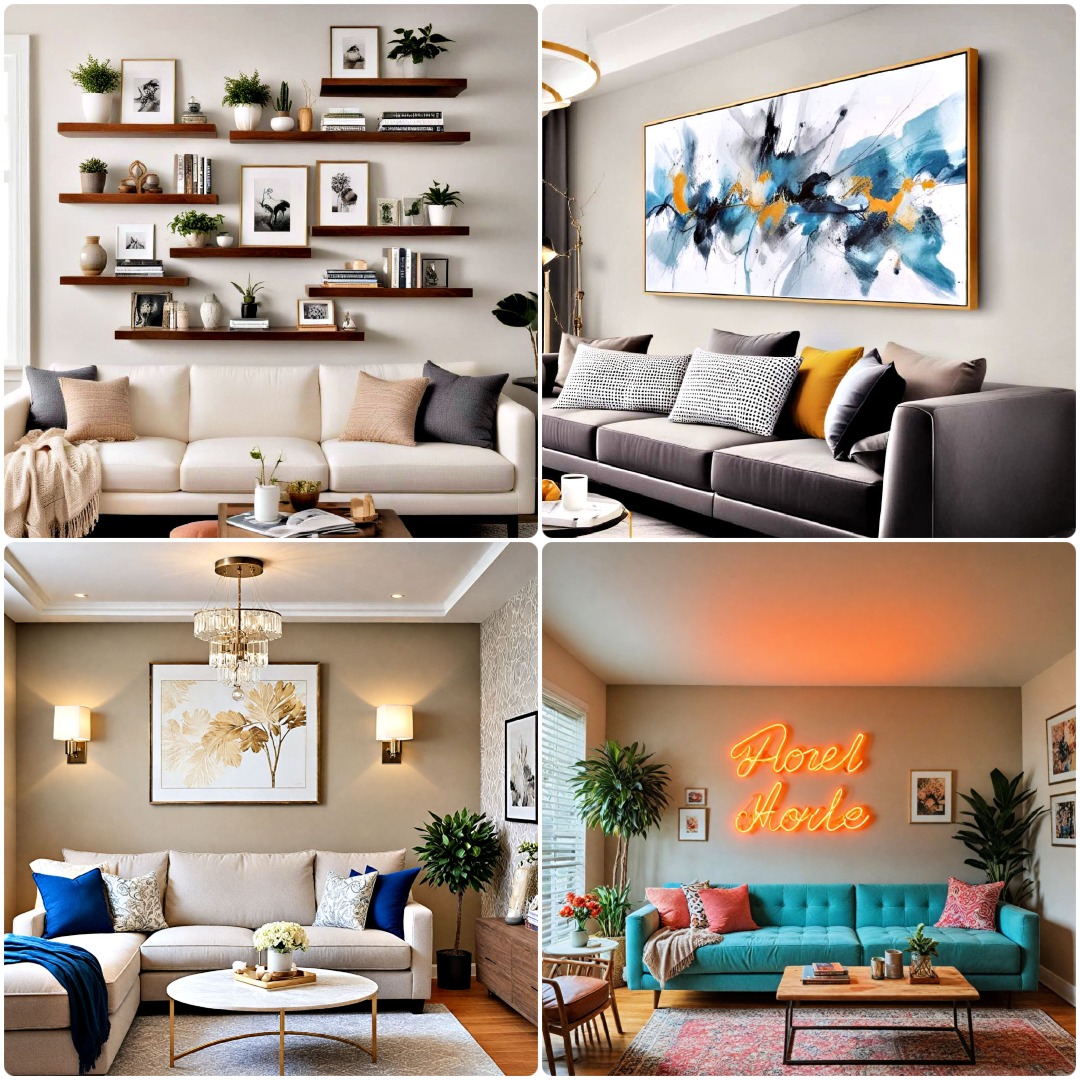
Wall Decoration Ideas Room