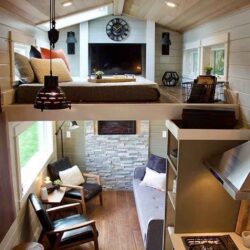
Rethinking Tiny House Ideas Inside: 5 Reasons the Trend Is Shifting
Tiny house ideas inside have captured the imagination of many seeking simplicity and affordability. This style focuses on maximizing small spaces using clever storage, minimalist furnishings, and often a bright, airy palette. For years, tiny homes have symbolized freedom, sustainability, and efficient living. But as tastes and lifestyles evolve, interest in traditional tiny house interiors is gradually changing. In this article, you’ll discover why some homeowners and designers are reassessing this approach, what’s influencing today’s shifts, and what fresh directions are emerging inside compact homes.
1. Limited Space Can Feel Restrictive Over Time
Main Claim: Despite its charm, tiny house interiors can sometimes feel cramped beyond initial novelty.
Explanation: Tiny homes prioritize compactness, which means less floor space and fewer options to spread out. While multifunctional furniture helps, the confined dimensions may eventually affect comfort and everyday living.
Examples: Narrow hallways, fold-away beds, and built-in cabinets save space—but might limit hosting guests or creating distinct activity zones.
Modern Perspective: Many designers today advocate creating flexible layouts with movable partitions or multi-use rooms to adapt space better rather than just minimizing square footage.
Mini Conclusion: Comfort and functionality often take priority, encouraging more thoughtful planning over pure downsizing.
2. Storage Solutions Are Creative but Can Become Overwhelming
Main Claim: Clever storage is essential but can lead to clutter and maintenance challenges.
Explanation: Tiny houses rely on hidden or vertical storage to reduce bulk. However, limited space demands consistent organization and decluttering to remain livable.
Examples: Under-stair drawers or wall-mounted shelves increase capacity but require frequent tidying and intentional possessions management.
Modern Perspective: Lifestyle shifts toward minimalism and sustainability mean fewer items overall—a trend welcomed by some homeowners, yet others seek small homes with expanded storage or outdoor sheds.
Mini Conclusion: Balance between storage innovation and daily upkeep matters in maintaining cozy, functional interiors.
3. Natural Light Is a Double-Edged Sword
Main Claim: Bright, airy interiors define tiny house ideas but aren’t always practical.
Explanation: Windows and light colors help rooms seem larger and more inviting. However, increasing natural light can sometimes compromise privacy or energy efficiency in smaller homes.
Examples: Large skylights may cause heat gain, while floor-to-ceiling windows can expose interiors to neighbors or street views.
Modern Perspective: Contemporary designs balance window placement with sustainable materials and smart blinds to optimize both illumination and comfort.
Mini Conclusion: Thoughtful lighting choices remain vital for comfort without sacrificing energy performance or coziness.
4. Budget Constraints Influence Material and Furniture Choices
Main Claim: The affordability appeal of tiny houses often means compromise on quality or durability inside.
Explanation: Many first-time tiny house owners prioritize cost over premium finishes, leading to furniture and surfaces that may wear quickly.
Examples: Using lightweight plywood or laminate cabinetry saves money but may reduce longevity and resale value.
Modern Perspective: Increasingly, homeowners invest upfront in sustainable, high-quality materials—even in small spaces—to ensure comfort and durability over time.
Mini Conclusion: Smart budgeting embraces materials blending durability, sustainability, and style for lasting appeal.
5. Personalization Is Growing Beyond Minimalism
Main Claim: The minimalist tiny house interior trend is making room for more personalized, eclectic styles.
Explanation: Initially, tiny homes emphasized stark simplicity to maximize space. Yet today’s occupants want to express individuality without sacrificing function.
Examples: Incorporating colorful textiles, curated art, or vintage furniture adds warmth and character without clutter.
Modern Perspective: Designers now encourage mixing textures and styles within small homes to create distinctive, comfortable environments tailored to lifestyles.
Mini Conclusion: Balancing minimalism with personalization fosters interiors that truly feel like home.
Conclusion
As with all interior design trends, tiny house ideas inside naturally evolve alongside changing lifestyles, budgets, and priorities. While the compact, efficient aesthetic still offers undeniable benefits, many homeowners and designers seek more flexibility, comfort, and personality within tiny spaces. Ultimately, your decorating choices should serve your unique needs and tastes—not just follow what’s popular. Embrace practical solutions, prioritize quality, and design a tiny home interior that feels spacious, sustainable, and distinctly yours.
Tiny House Interior

Tiny House Interior
Modern Small House Interior Design
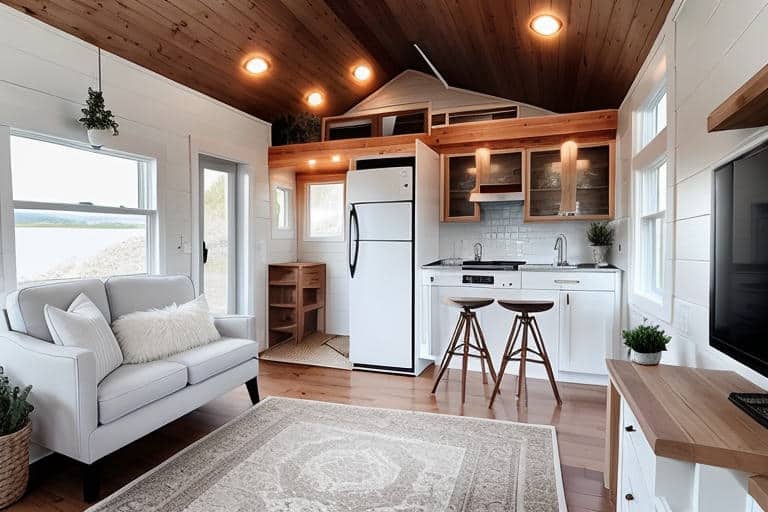
Modern Small House Interior Design
Interior Design Ideas For Small House – Interior Ideas
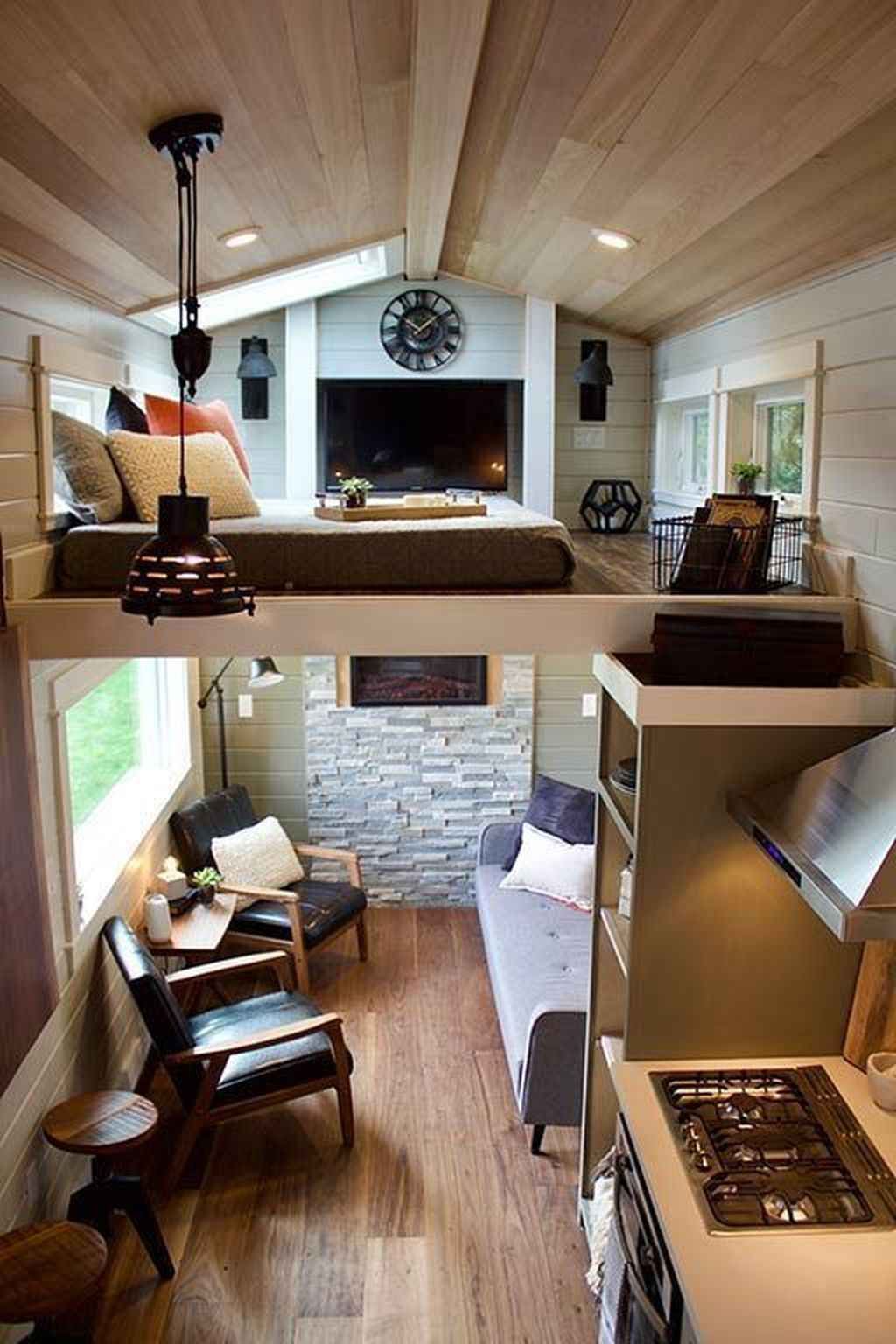
Interior Design Ideas For Small House – Interior Ideas
Inside Tiny House Interior Design Near Fireplace

Inside Tiny House Interior Design Near Fireplace
Tiny House Interior Design Ideas 💡 | Modern Tiny House Decor, Modern

Tiny House Interior Design Ideas 💡 | Modern tiny house decor, Modern …