Are Painted Dresser Ideas Still a Smart Choice for Today’s Homes?
Introduction to Painted Dresser Ideas
If you’ve been scouring home décor inspiration, chances are you’ve stumbled on painted dresser ideas—a trend that has flourished over the past decade. Painting dressers offered an accessible way to refresh tired furniture, infuse personality, and coordinate with evolving color trends without splurging on new pieces.
Initially loved for its versatility and budget-friendliness, painted furniture became a hallmark of DIY style and contemporary makeovers. However, as design preferences evolve, many homeowners and designers are reconsidering its role in modern interiors.
In this article, we’ll explore five key reasons why painted dressers might be losing their edge, what’s influencing this shift, and what design directions are gaining favor. Whether you’re contemplating a new bedroom look or a living room update, understanding these nuances will help you make confident, stylish choices.
1. Durability and Maintenance Concerns
Main Claim: Painted dressers often require higher upkeep compared to natural wood finishes.
Explanation: While paint can instantly update furniture, it’s prone to chipping, scratching, and fading, especially in high-traffic areas or homes with children and pets.
Examples: A glossy white painted dresser in a kid’s room may look pristine initially but could quickly show wear from daily use. Frequent touch-ups or repainting involve time and cost, reducing long-term practicality.
Modern Perspective: Many designers are gravitating toward natural wood finishes or veneers sealed with durable, low-maintenance stains and lacquers that age gracefully.
Mini Conclusion: For those prioritizing longevity and less maintenance, raw or lightly treated wood may be more appealing than painted surfaces.
2. Trend Fatigue and Style Evolution
Main Claim: The popularity of painted dressers has faded as taste shifts towards timeless, understated aesthetics.
Explanation: What once felt fresh—chalk finishes, bright hues, or pastel colors—can now seem dated as minimalism and natural textures dominate design conversations.
Examples: Scandinavian-inspired bedrooms often favor warm woods and clean lines over painted bold or distressed pieces, which can feel overly busy or thematic.
Modern Perspective: Today’s homeowners increasingly favor furniture that offers subtle elegance and adaptability, including mid-century modern forms and organic materials.
Mini Conclusion: Staying ahead in style means acknowledging how painted dressers fit—or don’t fit—current decor moods.
3. Impact on Resale Value
Main Claim: Customized painted dressers can complicate resale potential.
Explanation: Buyers often prefer neutral, natural finishes to accommodate their own style, making personalized paint colors a potential barrier.
Examples: A brightly painted dresser in a must-have home might require repainting to a more subdued tone to appeal to the broadest audience.
Modern Perspective: Investing in quality pieces with classic finishes tends to protect resale value, as they blend more easily with varied interior styles.
Mini Conclusion: If future resale is a consideration, more neutral finishes may offer a safer bet than vivid, customized paint jobs.
4. Environmental Impact and Sustainability
Main Claim: Painted furniture sometimes raises sustainability questions depending on paint types and VOC emissions.
Explanation: Traditional paints often contain volatile organic compounds (VOCs) harmful to indoor air quality and the environment. Frequent repainting worsens this impact.
Examples: Using low-VOC or natural milk paints can be a better choice but still requires reapplication over time.
Modern Perspective: More homeowners are shifting toward untreated or sustainably sourced wood and natural finishes that offer lower ecological footprints over the furniture lifecycle.
Mini Conclusion: Eco-conscious decorators are weighing painted furniture’s environmental costs against alternatives.
5. Functional Limitations and Lifestyle Compatibility
Main Claim: Painted dressers may not always suit the functional needs of dynamic lifestyles.
Explanation: Painted surfaces can be less forgiving with fingerprints, stains, or accidental impacts common in busy households.
Examples: A family home with active kids may find that a stained wood dresser hides wear and spills more effectively than a light-colored painted piece.
Modern Perspective: Practicality is key; materials and finishes that endure everyday use without extensive care align better with contemporary living demands.
Mini Conclusion: Choosing furniture finishes that complement your everyday life encourages both style and convenience.
Conclusion: Balancing Trend with Personal Taste
Painted dresser ideas continue to offer an affordable and creative way to personalize living spaces, but several factors—durability, evolving style preferences, resale considerations, sustainability, and lifestyle compatibility—have prompted many to reconsider this trend. Interior design always evolves, and what feels fresh today might shift tomorrow. The best approach is thoughtful curation: blending classic materials and finishes with unique touches, always aligned with your personal taste, practical needs, and long-term vision.
Whether you embrace painted dressers or favor natural wood tones, informed decisions will help your home shine authentically and endure beautifully.
10+ Of The Best & Most Beautful Painted Dresser Ideas

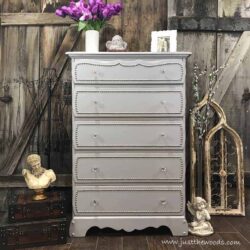
dresser painted white ideas furniture vintage dressers best drawers just blue red most woods beautiful how
57 Painted Dresser Ideas

dresser painted makeover
10+ Of The Best & Most Beautful Painted Dresser Ideas

dresser ideas painted best
Amazing Painted Dresser Makeover Ideas- With Before And After Photos

dresser painted ideas furniture makeover before after painting diy amazing old projects
The Ultimate Guide For Stunning Painted Furniture Ideas
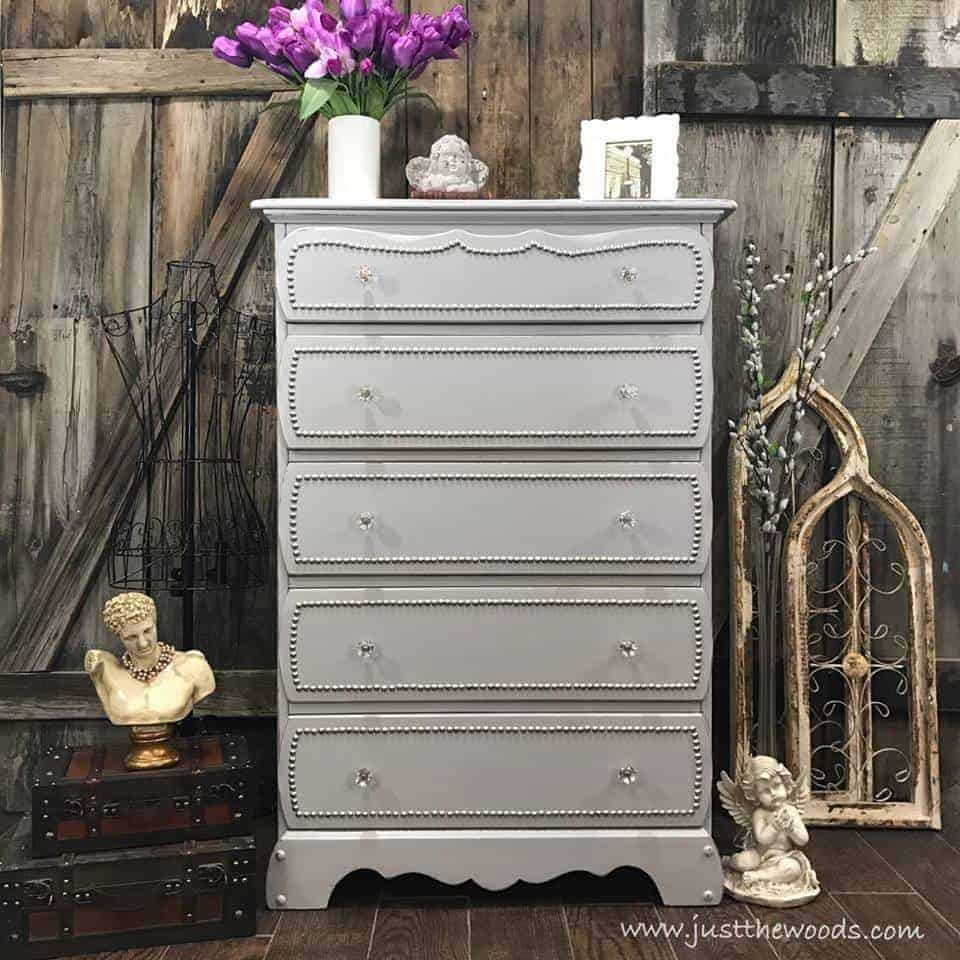
furniture painted ideas dresser paint bedroom stunning finishes ultimate guide update your tacks upholstery here that