

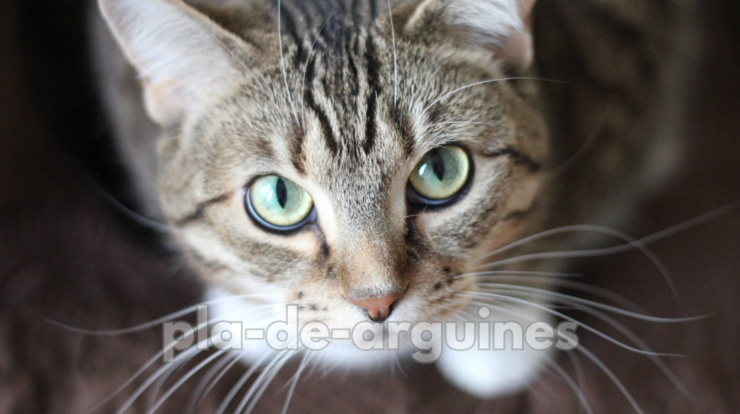
Why Is My Cat Not Eating – If your cat suddenly stops eating, it can be worrying. Cats may be picky eaters at times, but refusing food for more than a day is often a sign that something isn’t right. Understanding why your cat is not eating can help you respond quickly and protect your cat’s health.
Common Reasons Why Cats Stop Eating
1. Illness or Pain
One of the most common reasons a cat loses its appetite is illness. Conditions such as infections, kidney disease, dental problems, or digestive disorders can make eating uncomfortable or painful. Cats often hide pain, so appetite loss may be the only visible symptom.
2. Dental and Mouth Problems
Issues like broken teeth, gum disease, or mouth ulcers can cause pain when chewing. If your cat approaches food but walks away or chews on one side of the mouth, dental problems may be the cause.
3. Stress or Environmental Changes
Cats are sensitive to changes. Moving to a new home, introducing a new pet, loud noises, or even rearranging furniture can trigger stress and reduce appetite. Emotional stress can affect cats just as much as physical illness.
4. Food-Related Issues
Cats can be picky about taste, texture, or smell. A sudden change in food brand, spoiled food, or food served too cold can lead to refusal. Some cats also develop food sensitivities over time.
5. Vaccination or Medication Side Effects
After vaccinations or starting new medications, cats may temporarily lose interest in food. This usually improves within 24–48 hours, but prolonged appetite loss should be checked by a vet.
How Long Can a Cat Go Without Eating?
Healthy adult cats should not go more than 24 hours without eating. Kittens, senior cats, or cats with health conditions are at higher risk and need attention sooner. Prolonged fasting can lead to hepatic lipidosis, a serious liver condition in cats.
What You Can Do at Home
1. Observe Carefully
Watch for other symptoms such as vomiting, diarrhea, drooling, weight loss, or changes in behavior. These clues can help identify the problem.
2. Offer Appealing Food
Try warming wet food slightly to enhance its smell. You can also offer soft or bland foods that are easier to eat.
3. Provide a Calm Eating Area
Make sure your cat’s feeding area is quiet, clean, and stress-free. Avoid placing food near litter boxes or noisy appliances.
4. Ensure Fresh Water
Dehydration can worsen appetite loss. Make sure your cat always has access to clean, fresh water.
When to See a Veterinarian
You should contact a veterinarian immediately if:
- Your cat hasn’t eaten for more than 24 hours
- There is vomiting, diarrhea, or lethargy
- Your cat is losing weight
- Your cat is a kitten or senior
Early diagnosis can prevent serious complications.
Final Thoughts
If you’re asking, “Why is my cat not eating?”, it’s important not to ignore it. Appetite loss is often your cat’s way of signaling a problem. By acting quickly and seeking professional care when needed, you can help your cat recover and return to healthy eating habits.