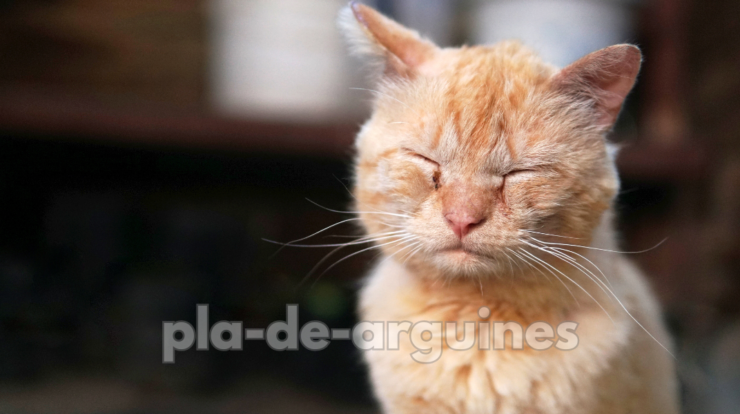


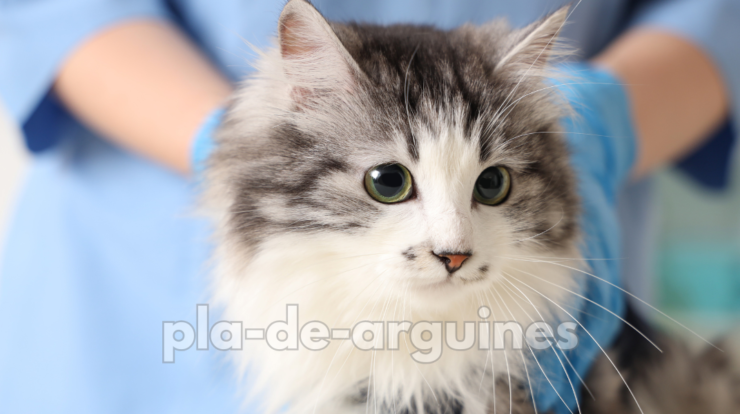
How to Tell If Your Cat Is Sick – Cats are experts at hiding discomfort. Unlike dogs, they rarely show obvious signs when they are unwell, which makes it challenging for owners to recognize illness early. Knowing how to identify the warning signs of a sick cat can help you take quick action and potentially save your pet’s life. This guide explains common symptoms, possible causes, and the right steps to take if your cat is not feeling well.
Warning Signs That Your Cat May Be Ill
Even small changes in your cat’s daily routine can point to health problems. Keep an eye out for these common symptoms:
1. Sudden Appetite Changes
A noticeable drop in eating or drinking is often one of the first signs of illness. Some cats may also eat more than usual due to hormonal imbalances or metabolic issues. If your cat refuses food for an entire day, it’s time to be concerned.
2. Low Energy and Weakness
While cats enjoy sleeping, a sick cat often appears unusually tired or uninterested in activities they once enjoyed. This could be linked to fever, pain, or internal health conditions.
3. Digestive Problems
Frequent vomiting, loose stools, or constipation should not be ignored. These symptoms may be caused by infections, food intolerance, parasites, or exposure to harmful substances.
4. Breathing Abnormalities
Rapid breathing, coughing, sneezing, or labored breaths are serious signs. Respiratory problems may be connected to infections, allergies, or heart-related conditions.
5. Dull or Untidy Fur
Cats that feel unwell often stop grooming themselves. A rough, greasy, or tangled coat can indicate discomfort, joint pain, or underlying disease.
6. Unusual Behavior
If your cat starts hiding, becomes more aggressive, cries more often, or suddenly seeks constant attention, these behavioral changes may signal pain or emotional stress.
Common Reasons Cats Get Sick
There are many factors that can lead to illness in cats, including:
-
Viral and bacterial infections
-
Internal and external parasites
-
Organ-related conditions such as kidney or liver problems
-
Toxic exposure from household plants or cleaning products
-
Stress or anxiety
-
Long-term illnesses like diabetes or thyroid disorders
Only a veterinarian can determine the exact cause through proper examination and testing.
Steps to Take When Your Cat Is Unwell
Monitor Your Cat Closely
Take note of symptoms, their duration, and any recent changes in diet or environment. This information is valuable for diagnosis.
Encourage Fluid Intake
Lack of hydration can worsen health problems. Make sure clean water is always available and monitor drinking habits.
Seek Veterinary Assistance
If symptoms persist beyond 24 hours or worsen quickly, contact a vet immediately. Emergency care is crucial if your cat has trouble breathing, collapses, or refuses food entirely.
Offer a Comfortable Space
Provide a quiet, warm area where your cat can rest without disturbance. Reducing stress can support recovery.
Conclusion
Caring for a sick cat requires attention, compassion, and prompt action. By recognizing early symptoms and responding appropriately, you can prevent serious complications and improve your cat’s chances of recovery. Always trust your instincts—if something feels wrong, consulting a veterinarian is the best decision for your cat’s health and well-being.