

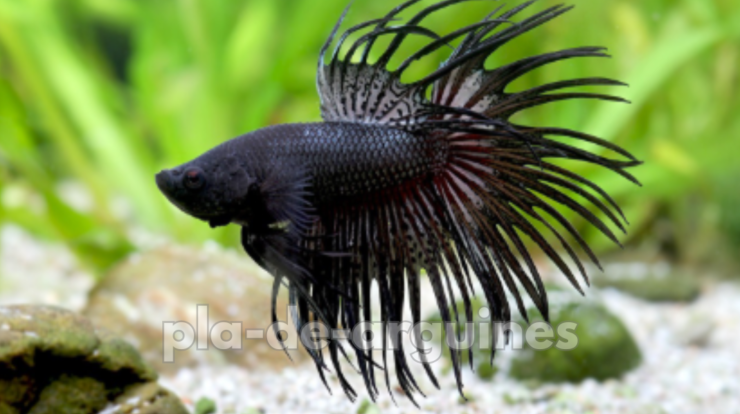
How to Prevent Fin Rot in Betta Fish – Fin rot is one of the most common health problems affecting betta fish. It is a bacterial or fungal infection that causes the fins and tail to become frayed, discolored, or gradually deteriorate. While fin rot can be treated, prevention is always the best approach. This guide explains how to prevent fin rot in betta fish by maintaining proper water conditions, diet, and overall aquarium care.
What Causes Fin Rot in Betta Fish
Fin rot usually develops when a betta fish is exposed to poor water quality or prolonged stress. Dirty water allows harmful bacteria and fungi to thrive, attacking weakened fins. Common causes include infrequent water changes, overfeeding, overcrowded tanks, and sudden changes in temperature or pH.
Bettas with long, flowing fins are especially vulnerable, as torn or damaged fins can become infected more easily.
Maintain Excellent Water Quality
Clean water is the most important factor in preventing fin rot. Perform regular partial water changes of 20–30% once a week, or more frequently in small aquariums. Always treat tap water with a water conditioner to remove chlorine and harmful chemicals.
Use a gentle filtration system to remove waste without creating strong currents. Test water parameters regularly and keep ammonia and nitrite levels at 0 ppm, with stable temperature and pH.
Keep Water Temperature Stable
Betta fish thrive in warm water between 24–28°C (75–82°F). Cold or fluctuating temperatures weaken the immune system and make bettas more susceptible to fin rot. Use a reliable aquarium heater and thermometer to ensure consistent warmth.
Avoid placing the aquarium near windows or air conditioners, as these can cause sudden temperature changes.
Provide a Stress-Free Environment
Stress plays a major role in fin rot development. Keep betta fish in an appropriately sized aquarium, ideally at least 5 gallons. Avoid housing bettas with aggressive or fin-nipping tank mates.
Decorations and plants should have smooth edges to prevent fin tears. Live plants and hiding spots help reduce stress and create a comfortable environment.
Feed a High-Quality Diet
A strong immune system helps betta fish resist infections. Feed a balanced, high-protein diet using quality betta pellets or flakes. Supplement their diet with frozen or live foods such as bloodworms or brine shrimp a few times per week.
Avoid overfeeding, as uneaten food quickly degrades water quality and increases bacterial growth.
Recognize Early Warning Signs
Early detection is key to preventing fin rot from worsening. Watch for signs such as:
- Frayed or ragged fins
- Black, white, or red edges on fins
- Fins appearing shorter over time
- Lethargy or loss of appetite
If you notice these symptoms, improve water quality immediately and monitor your betta closely.
Conclusion
Preventing fin rot in betta fish is largely about providing clean water, stable conditions, proper nutrition, and a stress-free environment. By maintaining good aquarium hygiene and observing your betta regularly, you can significantly reduce the risk of fin rot and ensure your betta remains healthy, active, and beautifully finned.