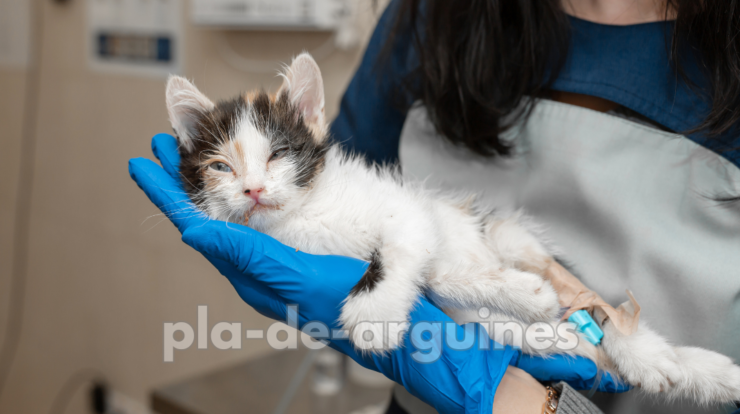



Best Food for Sick Cats Recovery: – When a cat is unwell, proper nutrition plays a vital role in supporting recovery and restoring strength. Choosing the best food for sick cats recovery can help improve appetite, prevent weight loss, and boost the immune system. Cats have unique dietary needs, and illness often makes them more sensitive to taste, texture, and smell. Understanding what to feed a sick cat can make the healing process smoother and more effective.
Why Nutrition Matters for Sick Cats
During illness, a cat’s body works harder to fight infection and repair tissues. Without adequate nutrition, recovery can slow down and complications may arise. Poor appetite is common in sick cats, which increases the risk of dehydration and liver problems. Offering the right type of cat food helps maintain energy levels and encourages eating.
Characteristics of the Best Food for Sick Cats
High-Quality Protein
Cats are obligate carnivores, meaning protein is essential for muscle maintenance and immune function. Easily digestible animal protein helps sick cats recover faster and prevents muscle loss.
High Moisture Content
Wet food is often recommended for sick cats because it provides hydration and is easier to eat. Moisture-rich food helps prevent dehydration, especially if your cat is not drinking enough water.
Strong Aroma and Soft Texture
Sick cats may lose their sense of smell, making food less appealing. Soft foods with a strong aroma can stimulate appetite and encourage eating.
Recommended Foods for Sick Cats Recovery
Veterinary Prescription Diets
Special recovery or critical care diets are formulated to be calorie-dense and easy to digest. These foods are often recommended by veterinarians for cats recovering from surgery or serious illness.
Wet Canned Cat Food
High-quality canned food is a good choice for most sick cats. It is easier to chew and digest, making it suitable for cats with dental issues or low energy.
Plain Cooked Meat
Boiled chicken or turkey without seasoning can be offered temporarily to encourage eating. These foods should only be used short-term and not as a complete diet.
Broth and Food Toppers
Low-sodium bone broth or tuna water can be added to food to improve taste and hydration. Avoid broths with onions or garlic, as they are toxic to cats.
Feeding Tips for Sick Cats
- Offer small, frequent meals throughout the day
- Warm food slightly to enhance aroma
- Provide a quiet, stress-free feeding area
- Monitor food intake and weight changes
Foods to Avoid
Do not give human food that contains salt, spices, onions, garlic, or dairy. Avoid dry food if your cat has difficulty chewing or is dehydrated. Never force-feed without veterinary guidance.
When to Consult a Veterinarian
If your cat refuses food for more than 24 hours, loses weight rapidly, or shows worsening symptoms, seek veterinary advice immediately. A veterinarian may recommend appetite stimulants or assisted feeding methods.
Conclusion
Providing the best food for sick cats recovery is essential for helping your cat regain strength and return to good health. High-quality, moist, and protein-rich foods, combined with careful monitoring and veterinary guidance, can significantly improve recovery outcomes. With patience and proper nutrition, your cat can heal comfortably and safely.