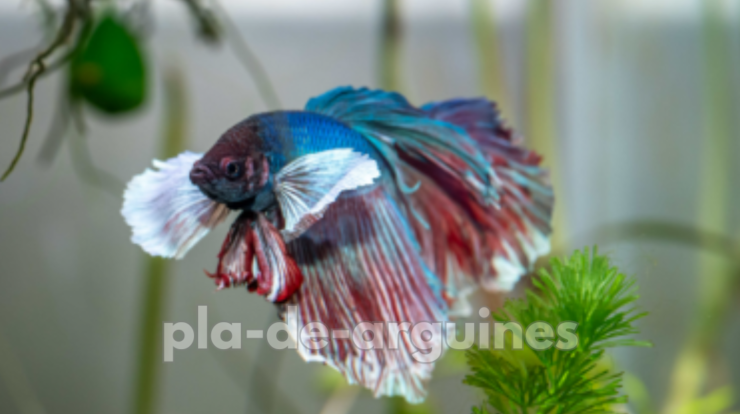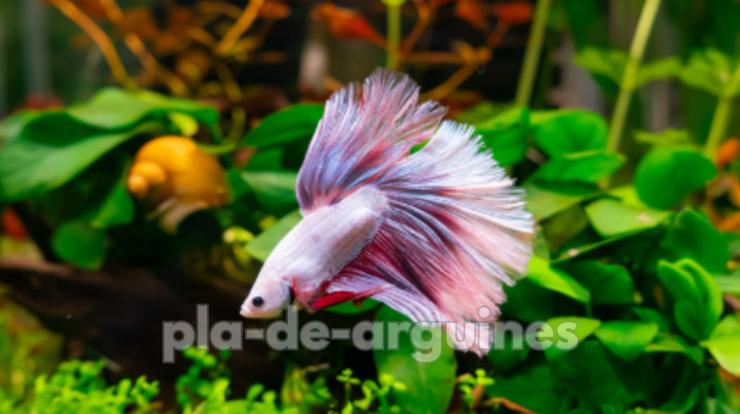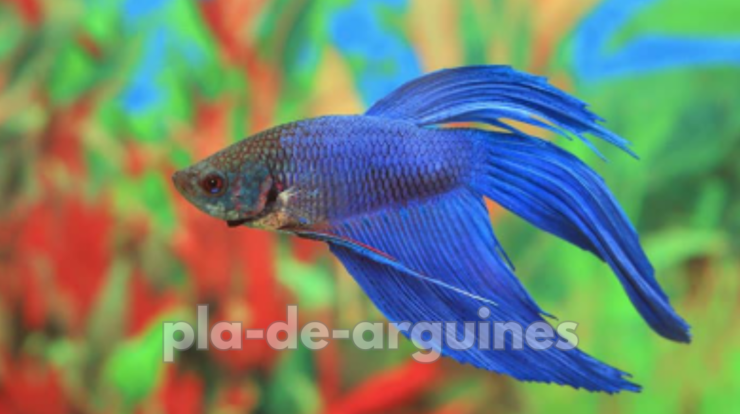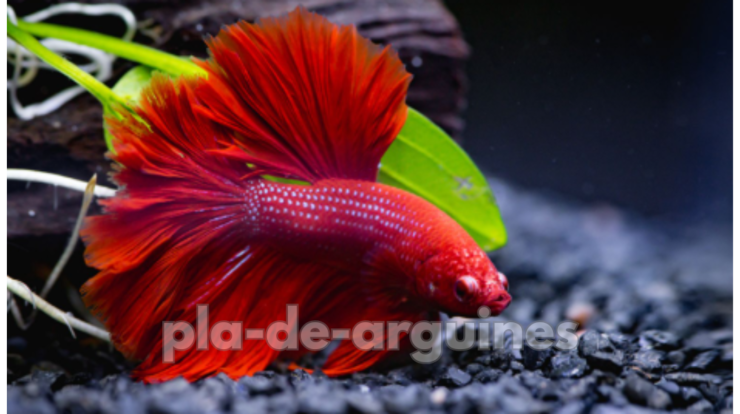


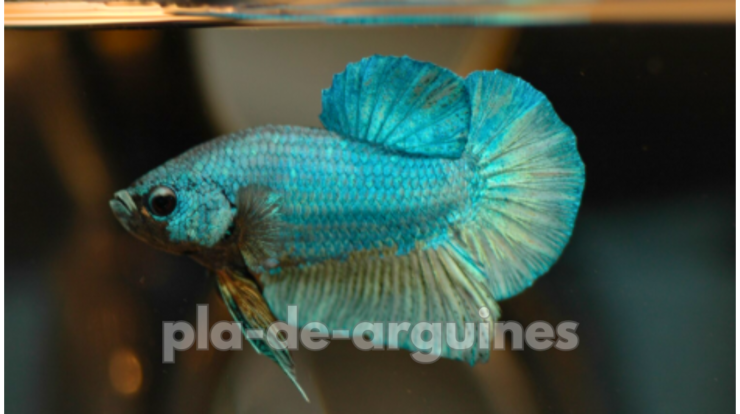
Betta Fish Feeding Schedule – Betta fish, also known as Siamese fighting fish, are popular aquarium pets known for their bright colors and active personalities. While bettas are relatively easy to care for, providing the correct feeding schedule is essential for healthy growth, strong immunity, and vibrant coloration. Overfeeding or underfeeding is one of the most common mistakes made by beginners. This guide explains the ideal betta fish feeding schedule and how to feed them properly.
Understanding Betta Fish Dietary Needs
Betta fish are carnivorous by nature. In the wild, they feed on insects, larvae, and small crustaceans. Because of this, bettas require a high-protein diet to maintain muscle development and energy levels. The best staple food for betta fish is specially formulated betta pellets or flakes that contain high-quality protein sources such as fish meal or shrimp meal.
Avoid feeding bettas generic tropical fish food, as it often lacks the nutrients bettas need for optimal growth.
Ideal Feeding Schedule for Betta Fish
The recommended feeding schedule for betta fish is once or twice per day. Most adult bettas do well with two small feedings daily, while younger or less active bettas may only need one.
- Morning: 2–3 small betta pellets
- Evening: 2–3 small betta pellets
Each meal should be an amount your betta can consume within 1–2 minutes. Uneaten food should be removed promptly to prevent water pollution.
How Much Food Is Too Much?
Betta fish have very small stomachs, roughly the size of their eye. Feeding more than this can lead to bloating, constipation, and swim bladder issues. Overfeeding also causes poor water quality, increasing the risk of disease.
If your betta appears bloated or inactive, reduce feeding and consider skipping one feeding session.
Supplementing with Live and Frozen Foods
To support healthy growth and enhance coloration, you can supplement your betta’s diet with live or frozen foods 2–3 times per week. Popular options include bloodworms, brine shrimp, and daphnia.
These foods should be treated as occasional treats rather than daily meals. Always thaw frozen food before feeding and avoid feeding wild-caught insects.
Fasting Days for Better Digestion
Including one fasting day per week is beneficial for betta fish digestion. A fasting day helps prevent constipation and allows the digestive system to reset. Healthy adult bettas can safely go without food for one day.
Feeding Tips for Small Aquariums
In small aquariums, feeding carefully is even more important because waste builds up quickly. Use a feeding ring or tweezers to control portions and prevent food from sinking into the substrate. Monitor water quality regularly to ensure ammonia and nitrite levels remain at zero.
Conclusion
Following a proper betta fish feeding schedule is key to healthy growth and long-term well-being. Feed small portions once or twice daily, focus on high-protein foods, add occasional treats, and include regular fasting days. With the right feeding routine, your betta fish will remain active, colorful, and healthy in any aquarium setup.