

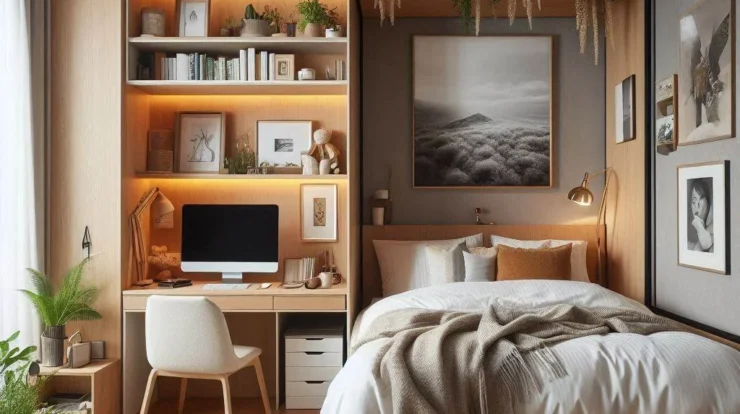
# Rethinking Office Bedroom Ideas: Why This Trend Is Evolving
## Introduction
Office bedroom ideas—designs that blend a workspace into a sleeping area—have become a go-to solution for small homes and remote workers over the past few years. As more people embraced flexible work-from-home lifestyles, integrating a desk into the bedroom seemed practical and efficient. But recently, many designers and homeowners are reexamining this approach. While space-saving, it can present challenges that are encouraging a shift toward different, more thoughtful layouts and design philosophies.
In this article, we’ll explore five key reasons why the traditional office bedroom setup is losing some of its appeal, what is replacing it, and how you can create a home environment that balances productivity with relaxation.
## 1. It Can Make the Room Feel Cluttered and Smaller
Designing a bedroom office often means cramming furniture into a limited space. Adding a desk, chair, and office supplies alongside a bed tends to clutter the room and reduce open floor area. This can make the space feel chaotic rather than calming, especially when natural light is blocked or compromised by bulky furniture placement.
For example, placing a desk against a window may interfere with soft daylight, or crowding office equipment near the bed can visually shrink the room. Today, many homeowners prefer dedicated work nooks or separate rooms when possible, seeking layouts that maintain a clear division between work and sleep zones for better psychological comfort.
## 2. Challenges With Maintaining Work-Life Balance
Having your office right in your bedroom blurs the boundary between work and rest, which can impact mental wellbeing. When work materials are visible while winding down, it can be harder to “switch off” at night. This is especially true with laptops or monitors left open near the bed.
People increasingly value separating workspaces from personal spaces to foster relaxation and productivity. Alternative designs include using fold-away desks, convertible furniture, or designating a small corner in the living room or hallway as a workspace. This subtle separation supports healthier routines without sacrificing function.
## 3. Storage and Organization Becoming More Complicated
Bedrooms typically prioritize clothes and personal belongings, not paperwork, office supplies, and tech gear. Integrating a full work setup often leads to storage issues, with office clutter mixing with bedroom essentials. Without smart storage solutions, this can make organizing the room a daily struggle.
Modern design trends emphasize multifunctional furniture—like beds with built-in drawers or desks that double as vanity tables—to minimize clutter. Wall-mounted shelves, vertical storage, and cord management help keep office gear tidy without overwhelming the bedroom’s intended purpose.
## 4. Compromises on Comfort and Aesthetic
Blending a bedroom and office requires careful styling to keep both functions comfortable and visually appealing. However, mismatched furniture styles or the presence of utilitarian office equipment can detract from creating a relaxing bedroom sanctuary.
Many designers advocate for choosing cohesive materials and color palettes that unify the two areas. For instance, a sleek, minimalist desk paired with soft textiles and warm lighting can make an office setup feel like an integrated part of the bedroom, rather than an afterthought. Some homeowners now lean toward separate rooms or modular furniture to maintain a more polished look.
## 5. Impact on Resale Value and Longevity
While office bedroom ideas cater to current remote work trends, their long-term impact on a home’s resale value may be mixed. Potential buyers often prefer clearly defined bedrooms and multifunctional living areas. A bedroom that doubles as a workspace may be seen as less versatile or harder to modify later.
As trends evolve, many are opting for flexible spaces that can easily switch functions—like a guest room that can temporarily serve as an office with portable furniture. This adaptability caters to different lifestyles and appeals to a broader market.
## Conclusion
The appeal of office bedroom ideas arose from necessity, blending home and work during unprecedented times. Yet as design preferences continue to shift, many are moving toward solutions that better balance relaxation, productivity, and aesthetics. Challenges with space, comfort, and work-life boundaries have led to innovative, more flexible designs that acknowledge the bedroom’s primary role as a personal retreat.
Interior design trends naturally evolve, and personal taste remains key. Whether you embrace a cozy bedroom office or create distinct areas, the goal is to foster a home environment that truly supports your lifestyle—functionally and beautifully. Thoughtful planning will always be more rewarding than following trends blindly.
Innovative Ideas For Designing A Functional Bedroom Office
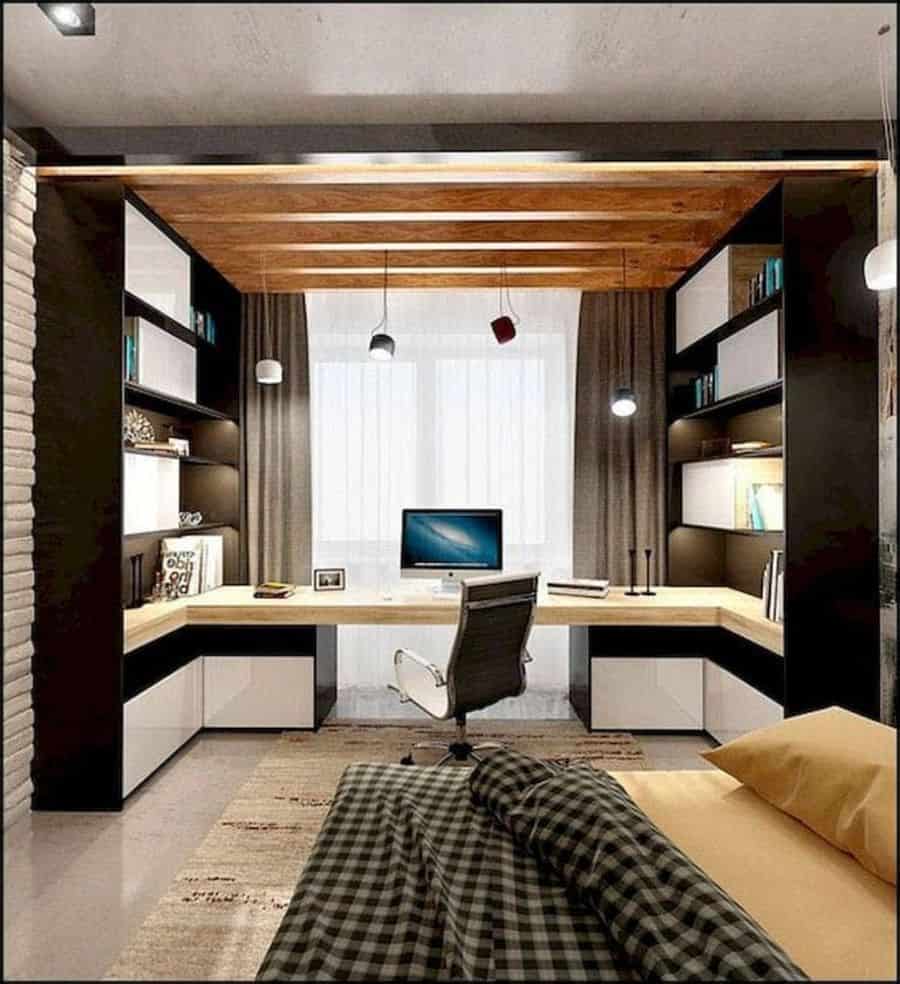
Innovative Ideas for Designing a Functional Bedroom Office
Design Ideas For Bedroom Office

Design Ideas For Bedroom Office
15 Smart Bedroom Office Ideas For Small Spaces
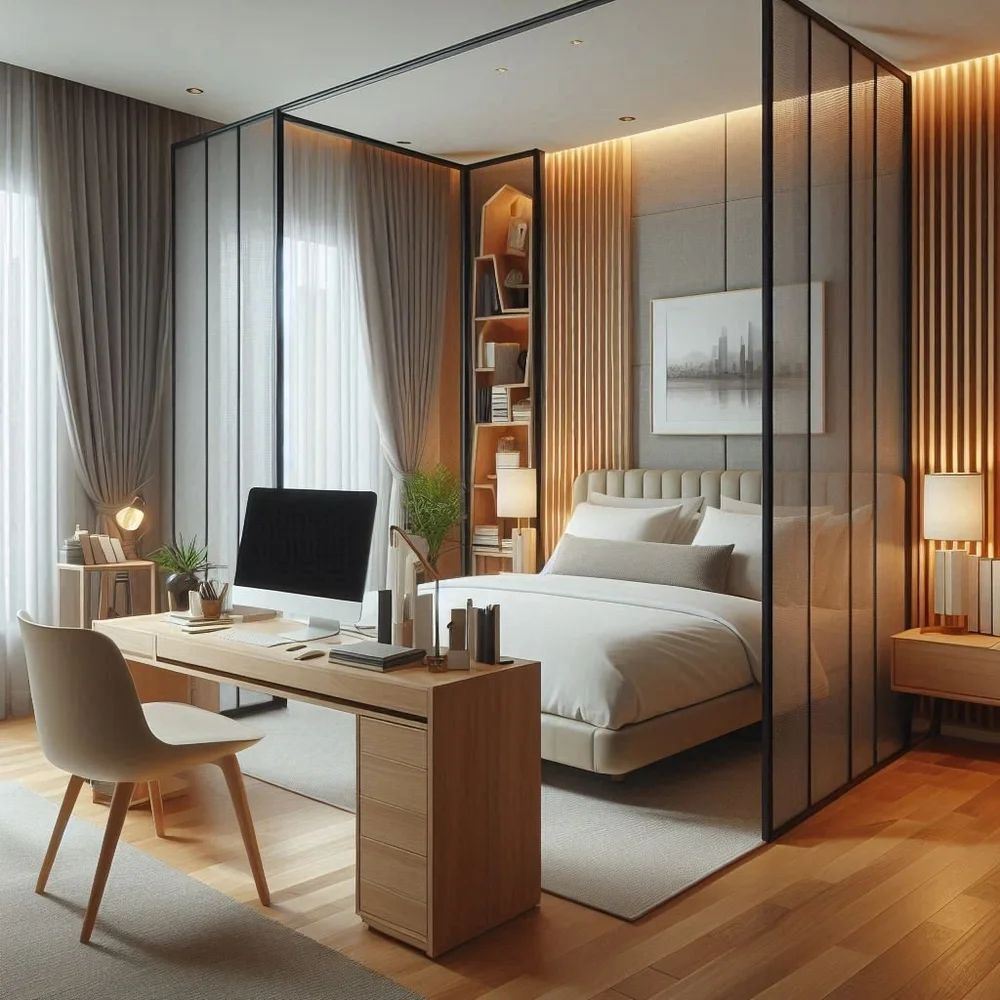
15 Smart Bedroom Office Ideas for Small Spaces
Small Bedroom Home Office Ideas

Small Bedroom Home Office Ideas
Small Office Ideas In Bedroom
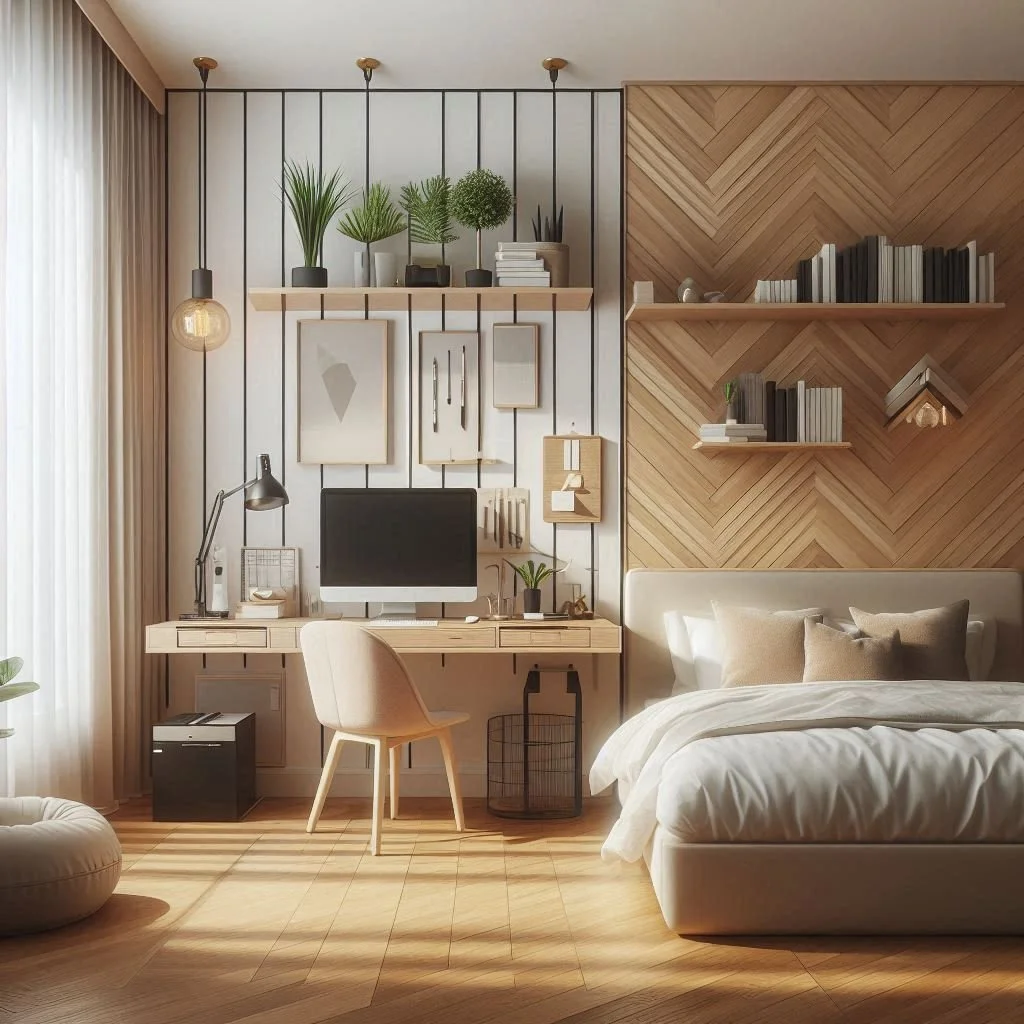
Small Office Ideas In Bedroom