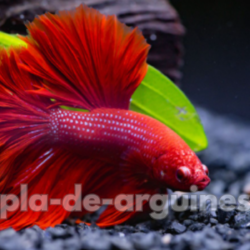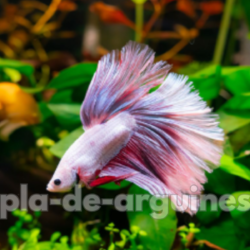
Signs of Stress and Illness in Betta Fish – Betta fish, also known as Siamese fighting fish, are hardy aquarium pets, but they can still experience stress and illness if their environment is not properly maintained. Recognizing the early signs of stress and illness in betta fish is essential for preventing serious health problems and ensuring a long, healthy life. This guide explains the most common symptoms to watch for and what they may indicate.
Common Signs of Stress in Betta Fish
Stress is often the first indicator that something is wrong in a betta fish aquarium. Stress weakens the immune system, making bettas more vulnerable to disease. Some of the most common signs of stress include:
- Clamped fins – Fins held close to the body instead of spread out
- Lethargy – Reduced movement or resting at the bottom of the tank
- Loss of appetite – Refusing food or eating less than usual
- Erratic swimming – Darting, glass surfing, or swimming sideways
Stress is often caused by poor water quality, sudden temperature changes, or aggressive tank mates.
Behavioral Changes to Watch For
Healthy betta fish are curious and responsive. Behavioral changes can be an early warning sign of illness. A stressed or sick betta may hide more often, avoid interaction, or appear uninterested in its surroundings.
Frequent gasping at the water surface may indicate low oxygen levels or high ammonia. Excessive flaring without stimulation can also be a sign of stress.
Physical Signs of Illness in Betta Fish
Visible physical symptoms usually indicate that an illness has already progressed. Common physical signs include:
- Fin damage – Fraying, discoloration, or shrinking fins
- Color fading – Loss of vibrant coloration
- White spots or patches – Often associated with parasitic infections
- Swollen body or bloating – Possible digestive or internal issues
Cloudy eyes, raised scales, or visible wounds are serious symptoms that require immediate attention.
Signs of Poor Water Conditions
Many betta health issues are directly linked to water quality. If your betta shows signs of stress or illness, test the aquarium water immediately. High ammonia or nitrite levels can cause rapid health decline.
Maintaining stable temperature, clean water, and regular water changes helps prevent most common betta fish illnesses.
What to Do If Your Betta Shows Symptoms
If you notice signs of stress or illness, take action quickly. Perform a partial water change of 20–30% using dechlorinated water at the same temperature. Remove uneaten food and check the filtration system.
Isolate the betta in a hospital tank if symptoms worsen. Avoid using medication unless the cause of illness is identified, as improper treatment can cause additional stress.
Conclusion
Understanding the signs of stress and illness in betta fish allows you to respond early and prevent serious health problems. By observing behavior, monitoring physical changes, and maintaining excellent water quality, you can keep your betta fish healthy, active, and vibrant. Regular care and attention are the keys to long-term betta fish well-being.