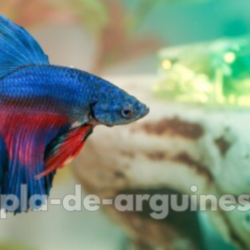
Breeding Betta Fish at Home – Breeding betta fish at home can be a rewarding experience for aquarium hobbyists. Betta fish, also known as Siamese fighting fish, are known for their unique breeding behavior and beautiful offspring. However, successful betta fish breeding requires careful preparation, proper tank setup, and close monitoring. This step by step guide to breeding betta fish at home will help beginners understand the process from start to finish.
Step 1: Select Healthy Breeding Pairs
Start by choosing a healthy male and female betta fish that are at least 4 to 6 months old. The male should display bright colors, long fins, and active behavior. The female should appear slightly rounded when ready to breed and may show vertical breeding stripes.
Avoid breeding bettas that show signs of illness, fin damage, or lethargy, as this can reduce breeding success.
Step 2: Prepare the Breeding Tank
Set up a separate breeding tank with a capacity of 5 to 10 gallons. The tank should have shallow water, around 10–15 cm deep, to help the fry reach the surface easily. Use a heater to maintain a stable temperature between 26–28°C (78–82°F).
Include gentle filtration such as a sponge filter, and add floating plants or a piece of bubble wrap to support the male’s bubble nest.
Step 3: Condition the Betta Fish
Conditioning improves breeding readiness. Feed both bettas high-protein foods such as live or frozen bloodworms, brine shrimp, or daphnia for 1–2 weeks before breeding. This enhances egg production in females and nest-building behavior in males.
Step 4: Introduce the Female Betta
Place the female betta in a transparent container inside the breeding tank so the male can see her without direct contact. This allows the male to build a bubble nest while reducing aggression. Once the male has built a nest and the female shows breeding behavior, carefully release her into the tank.
Step 5: Spawning Process
The male will court the female and eventually wrap around her in a breeding embrace. During this process, eggs are released and fertilized. The male collects the eggs and places them into the bubble nest.
After spawning is complete, remove the female to prevent injury.
Step 6: Care for Eggs and Fry
The male betta will guard the bubble nest and care for the eggs. Eggs usually hatch within 24–48 hours. Once the fry become free-swimming, remove the male to prevent him from eating the fry.
Feed the fry with infusoria or liquid fry food initially, followed by baby brine shrimp as they grow.
Conclusion
Breeding betta fish at home requires patience, preparation, and daily care. By following this step by step guide, providing the right environment, and monitoring each stage carefully, you can successfully raise healthy betta fry. With proper attention, betta breeding can be both educational and highly rewarding.


