

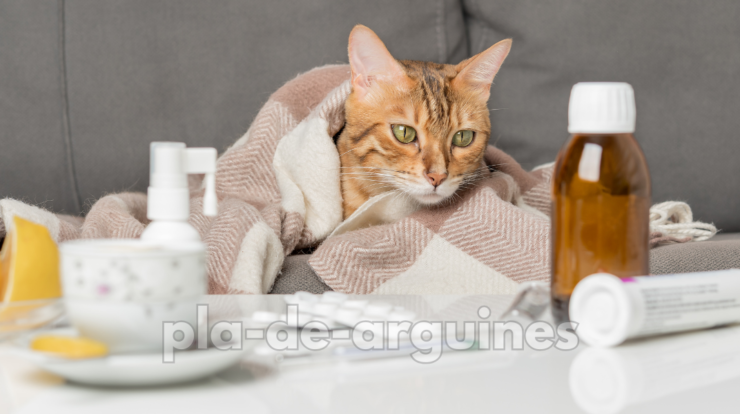
How to Take Care of a Sick Cat – When your cat is sick, proper care and attention can make a big difference in their recovery. Cats often hide pain and discomfort, so once symptoms appear, it’s important to act calmly and provide the right support. Knowing how to take care of a sick cat at home can help your pet feel safer, more comfortable, and heal more effectively alongside veterinary treatment.
Create a Calm and Comfortable Environment
Sick cats need rest. Prepare a quiet, warm space away from noise, children, and other pets. Use clean bedding and keep the area well-ventilated but not cold. Reducing stress helps your cat conserve energy and recover faster.
Monitor Eating and Drinking
Encourage Food Intake
Loss of appetite is common in sick cats. Offer soft, wet food with a strong aroma to stimulate eating. Slightly warming the food can help increase its smell and appeal. Avoid forcing food, as this may cause stress or choking.
Ensure Proper Hydration
Dehydration can worsen illness. Always provide fresh, clean water and observe how much your cat drinks. If your cat refuses water, wet food can help increase fluid intake.
Follow Veterinary Instructions Carefully
If your veterinarian prescribes medication, give it exactly as directed. Never skip doses or stop treatment early, even if your cat seems better. Do not give human medications, as many are toxic to cats.
Watch for Changes in Symptoms
Pay close attention to your cat’s behavior, appetite, and litter box habits. Worsening symptoms such as persistent vomiting, diarrhea, difficulty breathing, or extreme lethargy require immediate veterinary attention.
Maintain Cleanliness and Hygiene
Keep your cat clean, especially if grooming has decreased. Gently wipe their face, paws, and fur with a soft, damp cloth if needed. Clean litter boxes daily to reduce the risk of infection and monitor urination and bowel movements.
Provide Emotional Comfort
Gentle interaction can help your cat feel secure. Speak softly, offer light petting if your cat allows it, and avoid excessive handling. Some cats prefer space when they are unwell, so respect their comfort level.
When to Return to the Veterinarian
Contact your veterinarian if your cat refuses food for more than 24 hours, shows signs of pain, experiences breathing problems, or if symptoms do not improve. Kittens, senior cats, and cats with chronic conditions need extra care and faster medical attention.
Conclusion
Taking care of a sick cat requires patience, observation, and compassion. By creating a supportive environment, monitoring health changes, and following veterinary guidance, you can help your cat recover safely and comfortably. Early attention and proper care play a crucial role in your cat’s overall well-being.