

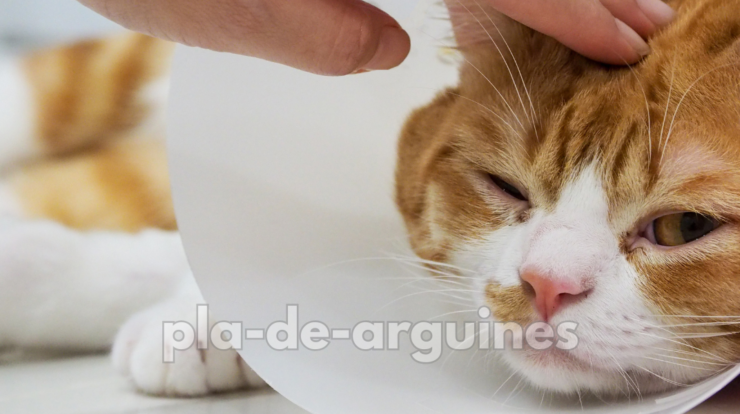
Signs of a Sick Cat at Home – Cats are masters at hiding discomfort, which makes it challenging for owners to notice when something is wrong. Recognizing the signs of a sick cat at home is essential for early treatment and better recovery. Small changes in behavior, appetite, or appearance can be early warnings of illness. Understanding these signs allows you to act quickly and protect your cat’s health.
Common Signs Your Cat May Be Sick
1. Loss of Appetite
If your cat suddenly refuses food or eats significantly less than usual, this could indicate illness. Appetite loss is often linked to infections, digestive issues, dental problems, or stress. Cats should not go more than 24 hours without eating.
2. Lethargy and Weakness
A sick cat may sleep more than usual and show little interest in play or interaction. While cats naturally rest a lot, extreme tiredness or difficulty moving can signal fever, pain, or internal health issues.
3. Vomiting or Diarrhea
Occasional vomiting may occur, but frequent vomiting or ongoing diarrhea is not normal. These symptoms can be caused by parasites, food intolerance, infections, or exposure to toxins.
4. Changes in Drinking and Urination
Drinking too much or too little water, along with changes in litter box habits, can be signs of kidney disease, diabetes, or urinary tract problems. Any sudden change should be monitored closely.
5. Difficulty Breathing
Rapid breathing, wheezing, coughing, or open-mouth breathing are serious warning signs. Respiratory problems require immediate veterinary attention.
6. Poor Coat Condition
A healthy cat grooms itself regularly. When a cat is sick, grooming may decrease, resulting in a dull, greasy, or matted coat. This often indicates pain, arthritis, or general illness.
7. Behavioral Changes
Hiding, aggression, excessive meowing, or unusual clinginess can signal discomfort or stress. Behavioral changes are often one of the earliest signs of illness in cats.
What to Do If You Notice These Signs
If you observe one or more symptoms, monitor your cat closely and note any changes. Make sure your cat has access to fresh water and a quiet, comfortable place to rest. Avoid giving human medication, as it can be dangerous for cats.
When to Contact a Veterinarian
You should seek veterinary care if symptoms last more than 24 hours, worsen quickly, or are accompanied by vomiting, diarrhea, breathing problems, or weight loss. Kittens, senior cats, and cats with existing health conditions should be seen sooner.
Conclusion
Knowing the signs of a sick cat at home can make a significant difference in your pet’s health. Early detection and prompt action can prevent minor issues from becoming serious conditions. If something feels off, trust your instincts and consult a veterinarian to ensure your cat receives the care it needs.